Front Row with Studio 402: Introducing Brown Paper
Through a collective fashion pop-up at New Centre Johannesburg, a group of local designers have come together to reimagine discarded brown paper through sustainable design.

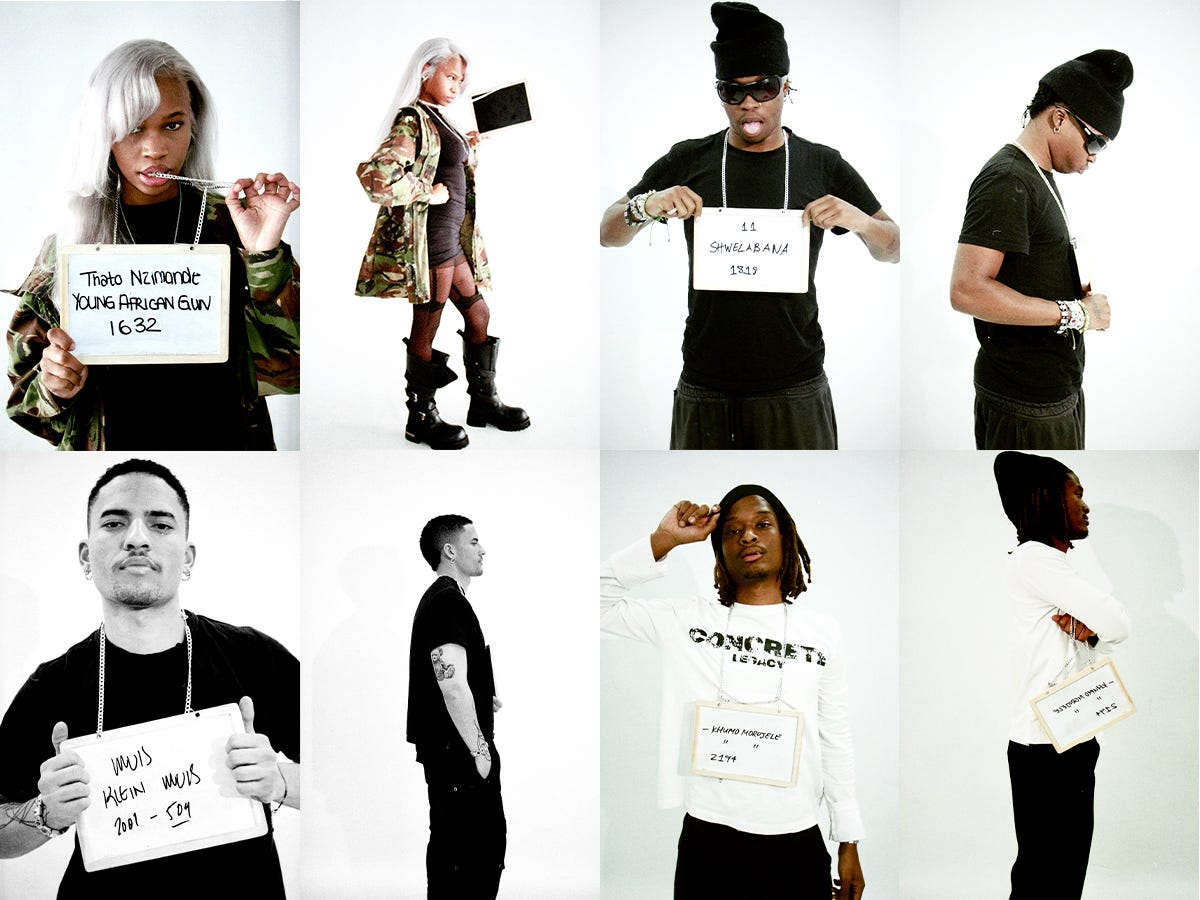
A collective of designers have come together to exhibit and sell garments through the conceptual framework, brown paper—from patternmaking to the packaging—where it begins and ends. Through a collective fashion pop-up, at New Centre Johannesburg, they explore experimental design through unconventional materials, bold silhouettes and personal expressions of culture, memory and identity. From one-of-one pieces to ready-to-wear garments, the designers are reshaping South African fashion while sharing their stories and inspiration behind their brands.
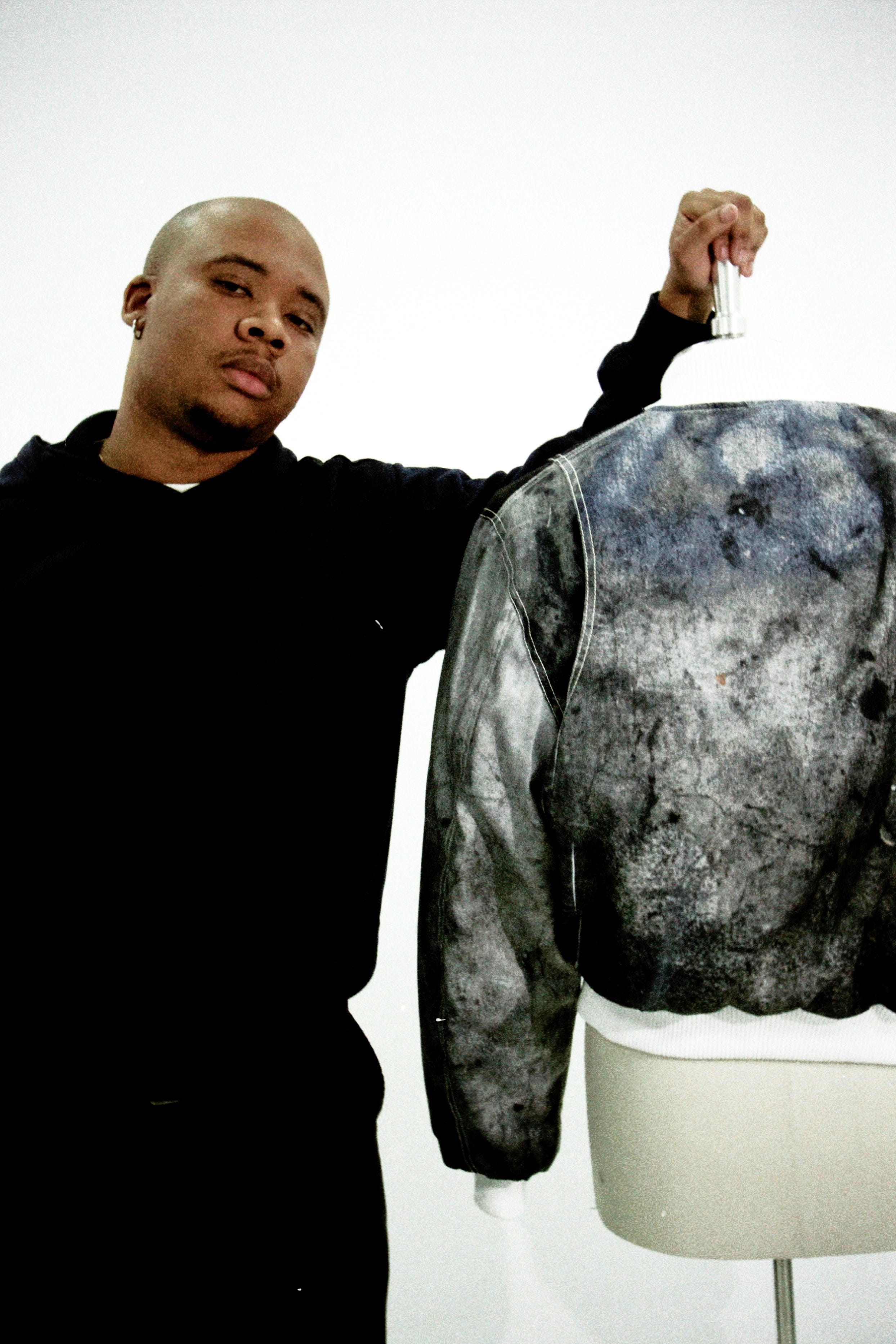
We had the pleasure of meeting the designers and asking a few questions. We just had to know where their heads are at, what their creative processes are and their inspirations, as well as what’s on their playlists. Our first encounter was with designer Shaquille Smit. We asked Shaquille: “what type of tailoring method does he tend to incorporate into his designs?”

Shaquille stated: “I like to incorporate a lot of tailoring methods, one of them being pleats. My mom loves pleating. She wears a lot of androgynous clothing going to work, so seeing her wear that type of style of clothing with the pleats did influence my designs.”
This was so interesting to hear because it just goes to show how much attention we pay to details subconsciously as children and we adopt habits or see things from our parents that we end up using or doing in our later years. In Shaquille’s case his taste for clothing and the garments he designs.
We had an agenda, everyone was a victim of our curiosity. We were met with Concrete Legacy’s Ruaan, who we also had the pleasure of conversing with. Ruaan told us about his favourite dish, mac & cheese, and so much more. We then got into the serious questions–the deep questions. We just had to know the significance of the brand name Concrete Legacy and how he would like for the brand to be remembered?
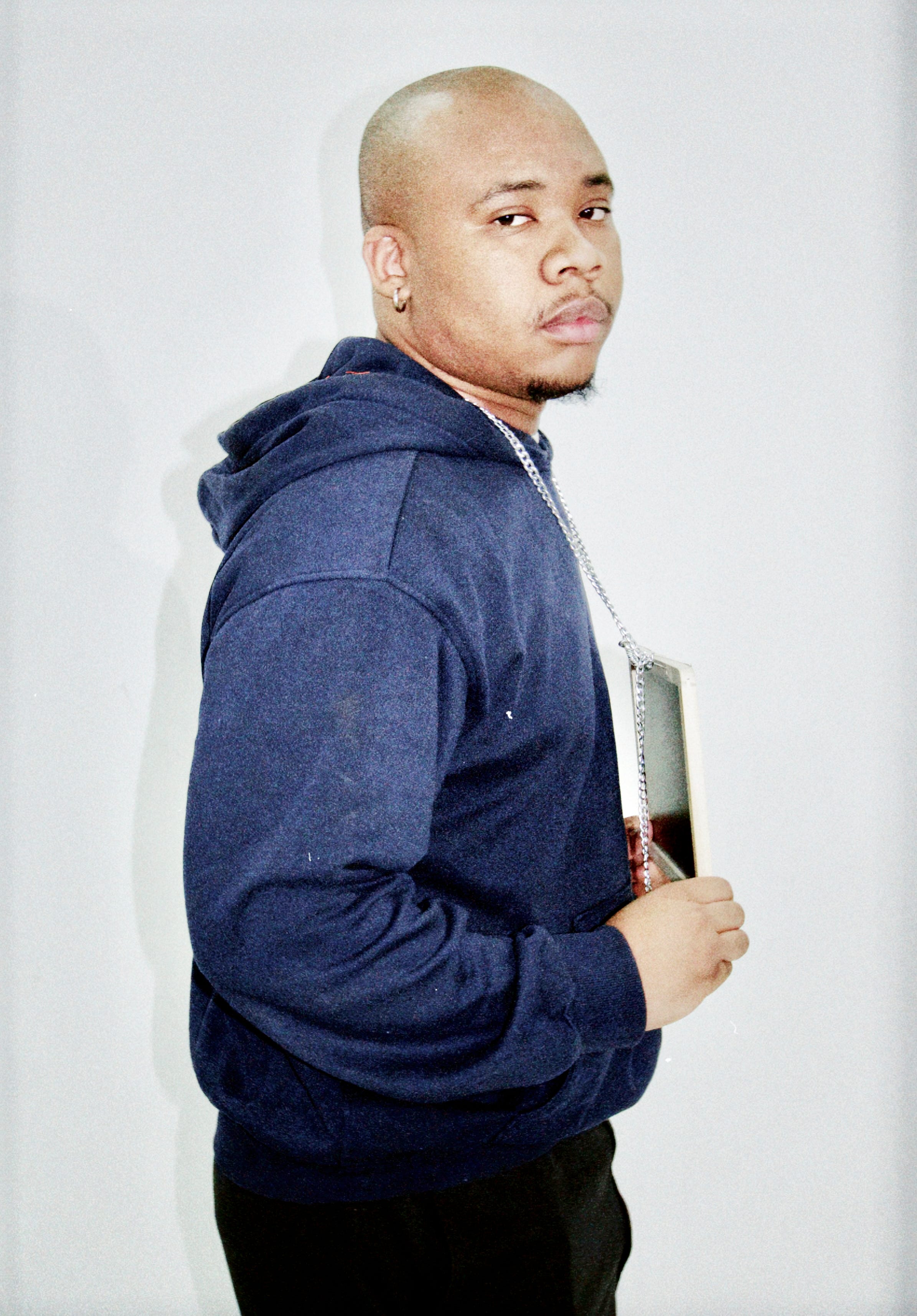
His response was: “Concrete was just something that I always thought was unbreakable– I wanted to obviously build something that lasts forever. So, I mean that’s more or less what I wanted for the brand, and as for legacy I want to build a long-lasting legacy for myself.” We all want things that last forever be it material things, be it memories even your own legacy. For Ruaan, it is a manifestation of his brand and the garments he produces.
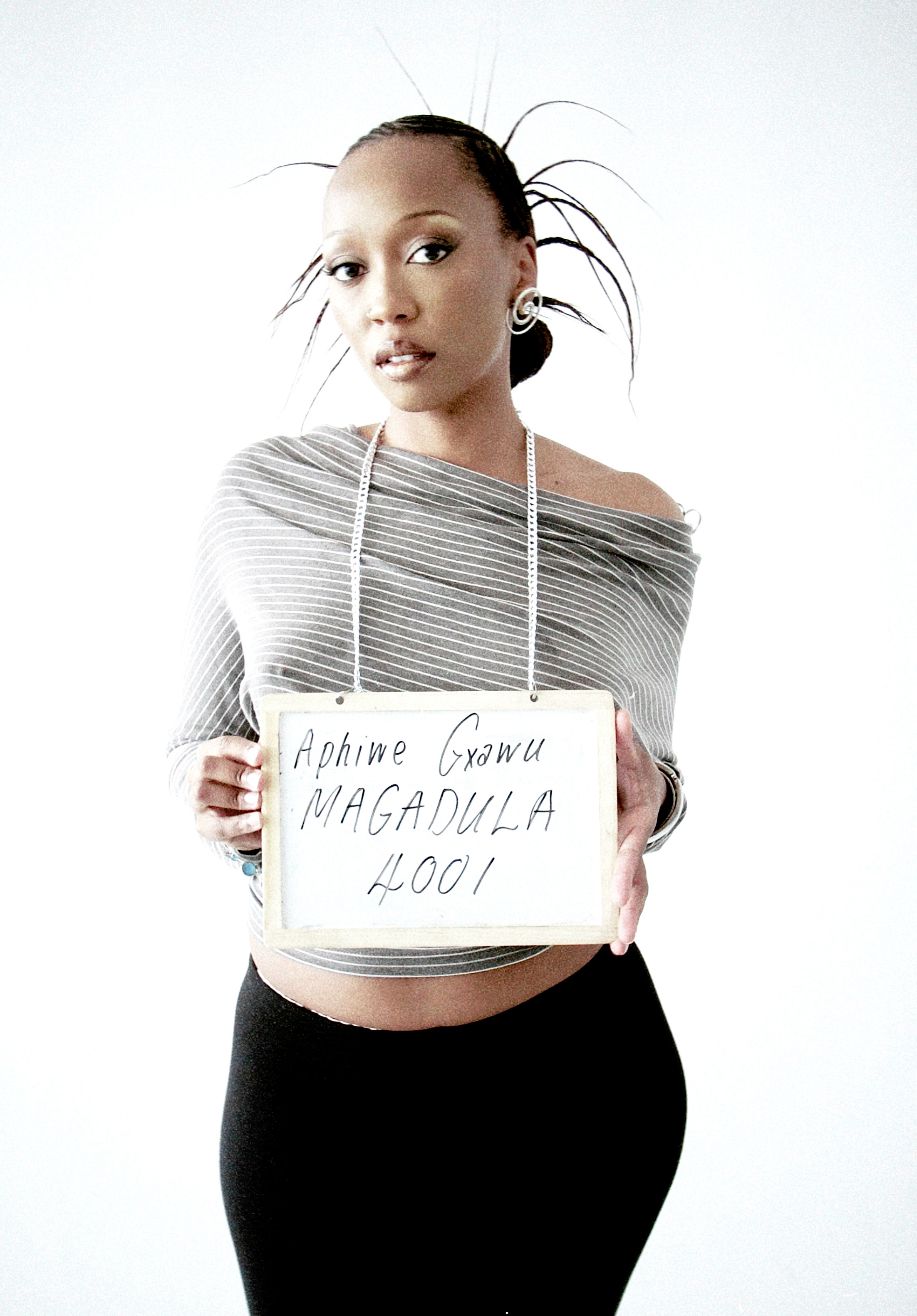
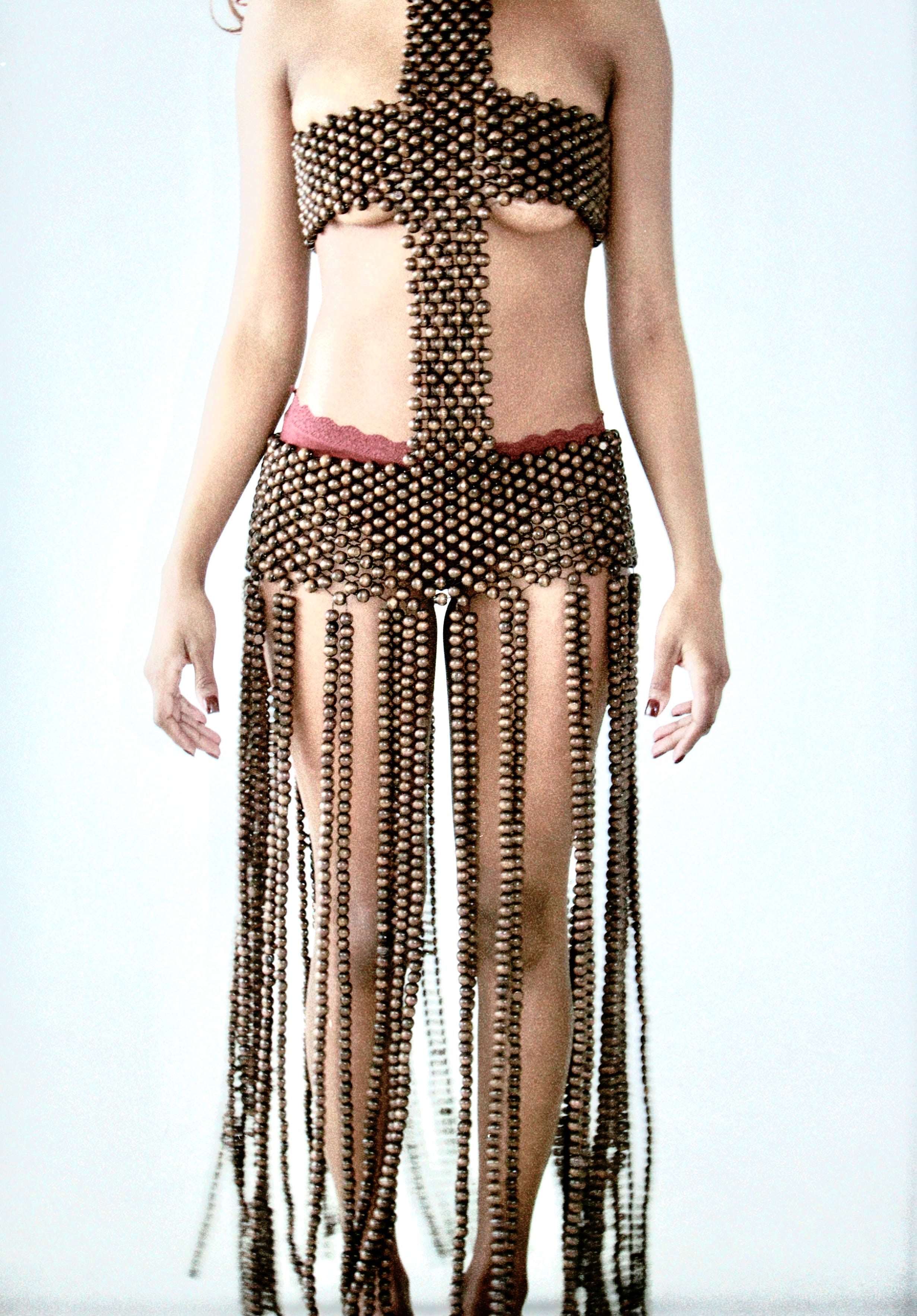
Which lead us to our next question for designer Aphiwe Gxawu of Magadula. “Is there any legendary artist/musician with an influential legacy that you would like to dress?” When we tell you we wouldn’t of asked for a better answer! Aphiwe stated: “Lebo Mathosa, I feel like the stuff I make is not intentionally provocative it just ends up being that way, it ends up being very sheer, I feel like that’s how people dressed back then, very daring and who else other than Lebo would be brave enough to pull that off? She gave very much Afro contemporary, so it would definitely be her. RIP the Queen.” Rest in Peace to the Kwaito queen for sure!
These New age designers definitely have taste, and with taste comes inspiration as well as out of the ordinary creative processes. A designer with a very different approach to moodboarding goes by the name of Aidan Peters, owner of Klein Muis.
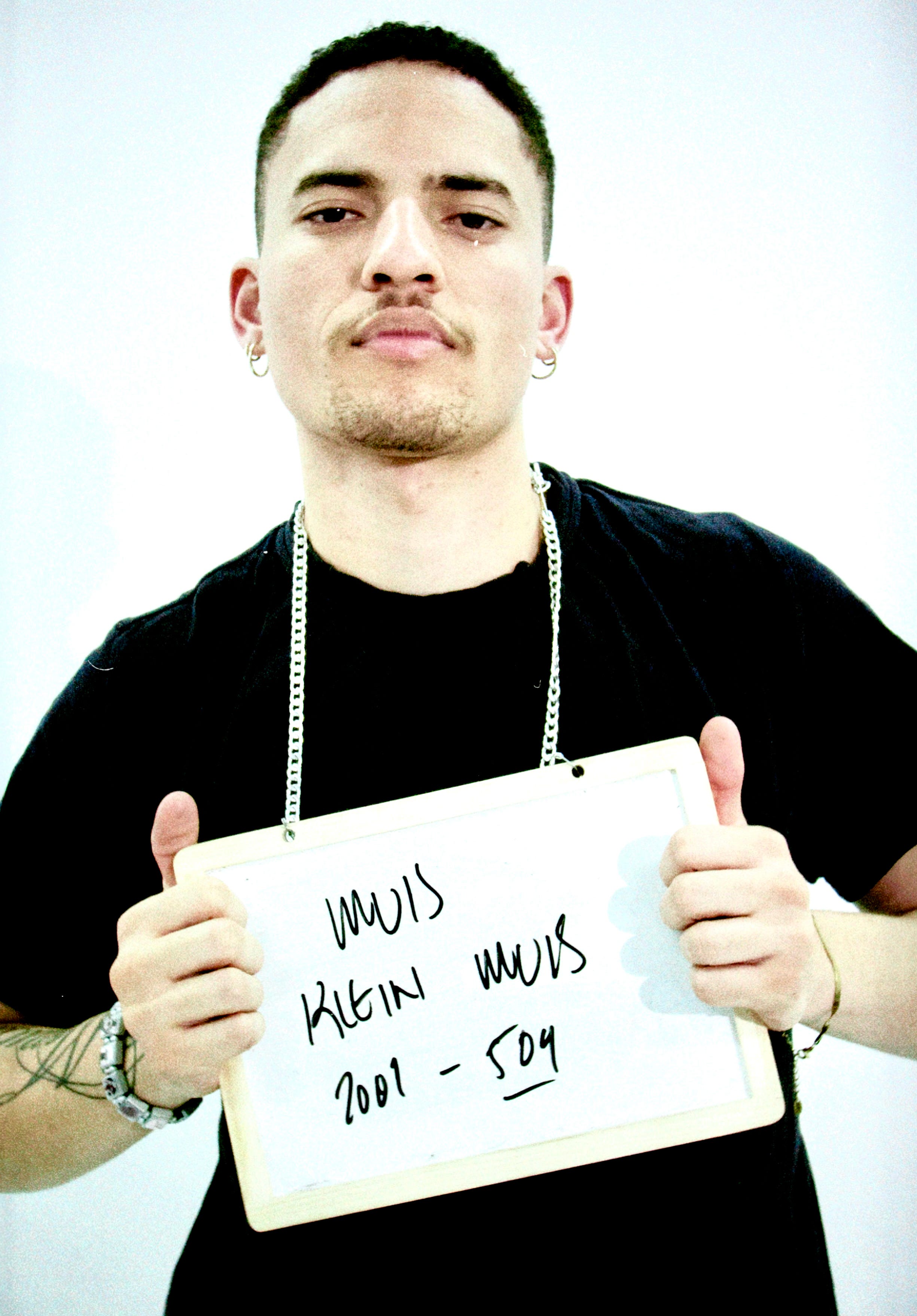
Aidan’s creative process incorporates the use of video collages as moodboard. He states: “A lot of the time If you’re looking at imagery, you lose the sensation and movement. In a video collage you retain those ideas and those identities, that’s what my process has been.” It’s very refreshing to see that one does not run out of ways to come up with new ideas, unconventional ways of putting ideas or thoughts together. A direction in which new age designers seem to be pivoting towards, I’m inspired.
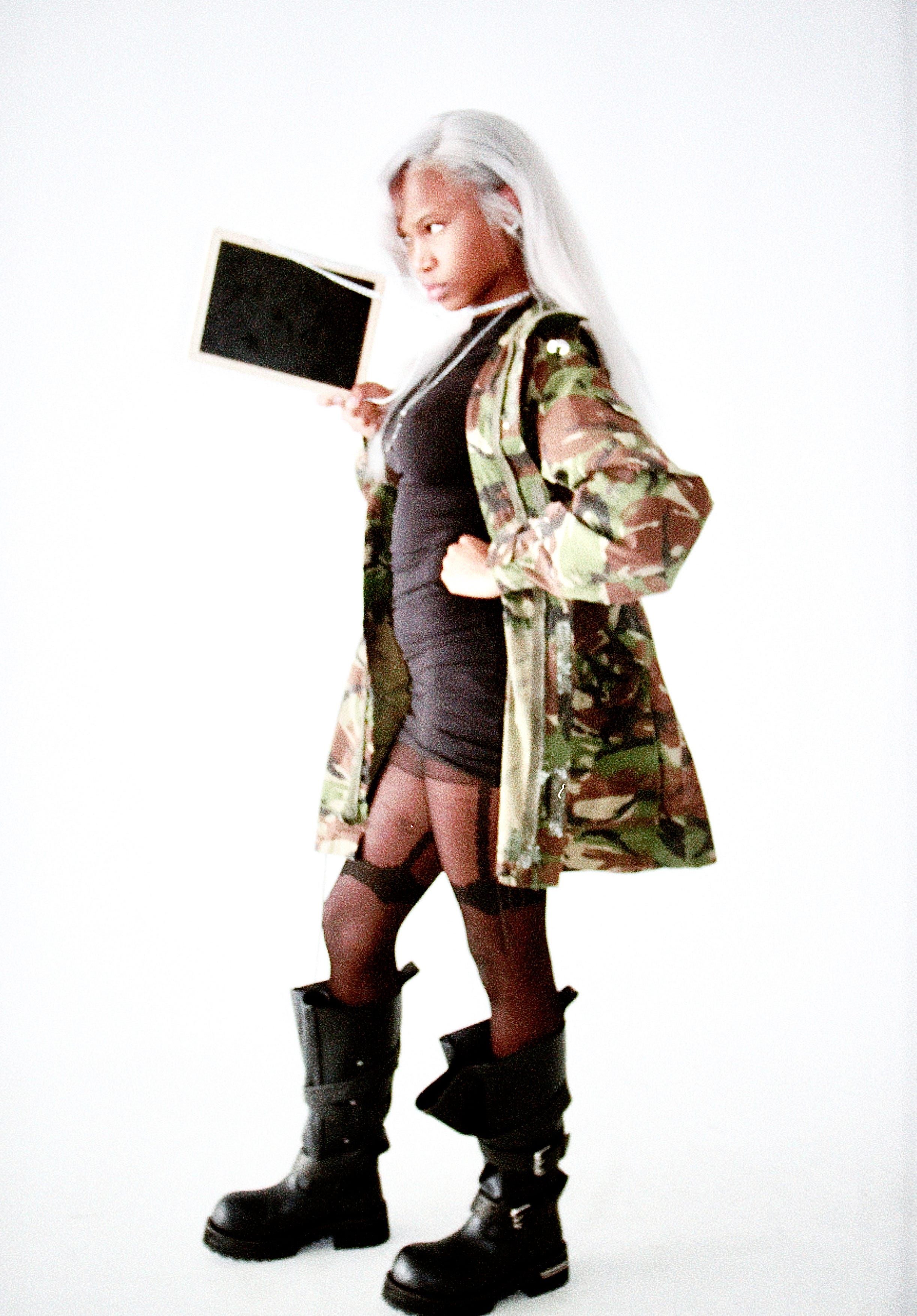
The next designer we got to meet was Thato Nzimande of Young African Gun. Thato is a creative director and stylist venturing into design, a question we had in mind was how her styling background and styling techniques contributed to the signature look of her garments? Thato responded: “In the beginning of my career, I couldn’t find things that match the image that was in my head of outfits I imagined, so I would always like customise stuff and make stuff. I’d cut stuff up, and make it ripped.”
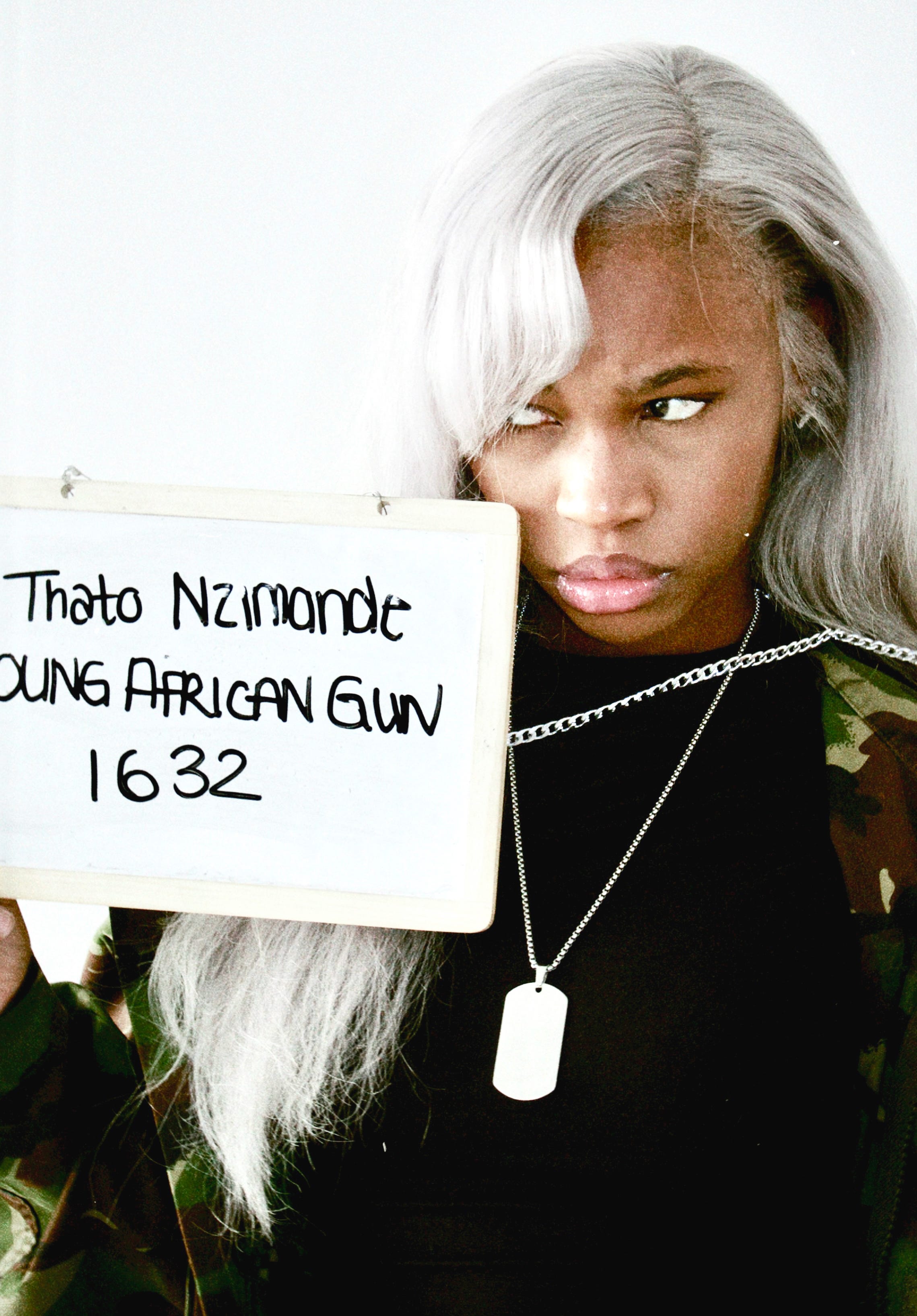
Those kinds of techniques informed my designs as well as fabrics I’ve used for styling and different design methods like, I’m not a trained tailor. I wasn’t sure about a lot of the stuff that I was making, I just made it for myself.” That’s exactly what it’s about, just having fun and winging it–Pablo Picasso once said “Art is chaos taking shape.”
Art can be found anywhere, in the midst of chaos, in the midst of self discovery, in the midst of pain in the midst of healing as well. That is what sparked the creation of Siyababa Atelier–an art formed through pain and healing with the use of design. Designer Siyabonga Mtshali’s brand emerged in 2019 after his graduate show–inspiration to start the brand was drawn out after his father’s passing. He states “ I used my graduate collection to heal myself. And I really found the power of art and fashion through that.”
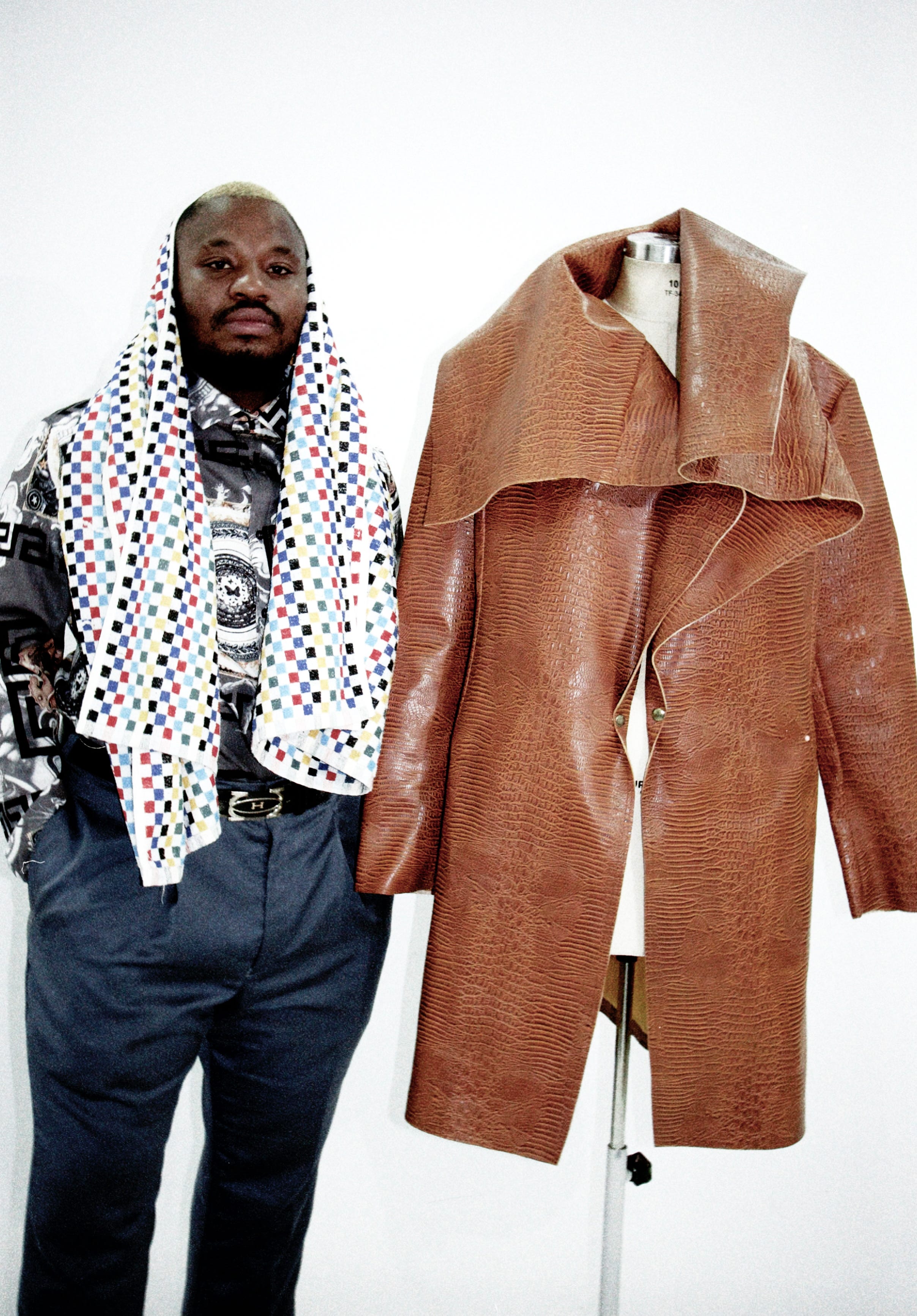
Siyababa takes pride in his Zulu heritage, we asked him how does he challenge and reframe the hyper masculinity in the Zulu culture? He stated: “By removing the violent parts of wearing traditional attire we would rather use it to showcase brotherhood. We dress the men and let them hold hands, this allows them to be in a vulnerable state embracing that softer side.”
It is a very refreshing take considering the fact that the point of this exhibition is to introduce the South African audience to a new and experimental approach to design and what better way then allowing these artists to challenge the cultural norms, societal norms, all the norms! Out with the old in with the new, it is exciting seeing our histories, memories, pop culture, education and so much more being reimagined in ways we didn’t even know were possible.
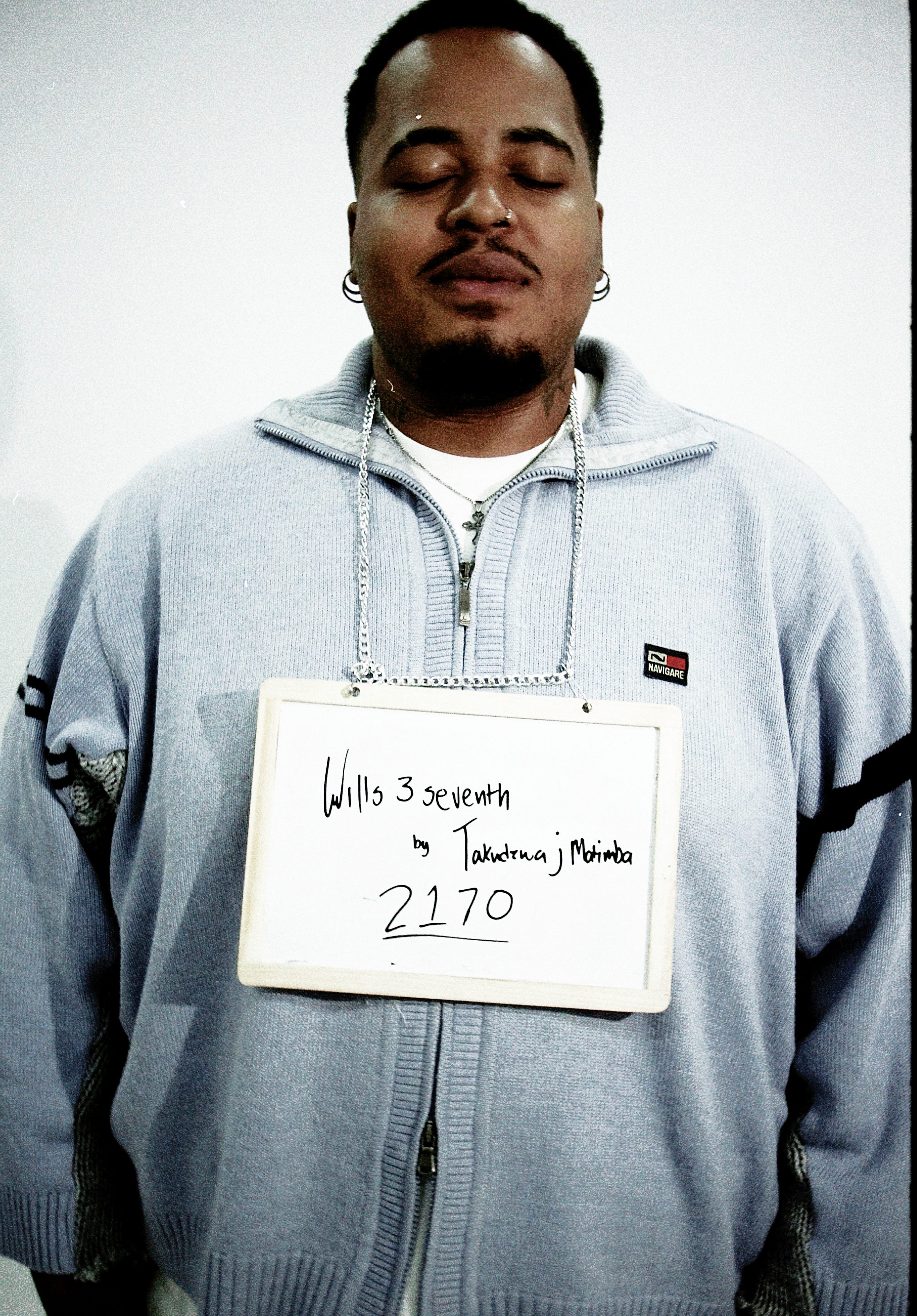
Rooted in creative multidisciplinarity, personal memory, and experimentation, Will3Seventh is the multilayered name of Takudzwa Matimba’s clothing brand. Commemorative of his late cousin, Will, a significant part of the designer’s past; referencing “will power” which is something the designer says he’s always had; and referencing the legacy he hopes to leave behind–Will3Seventh is founded on identity, memory and inheritance. Currently listening to River Tiber; Steve Lacy; Isaiah Rashad; Mark William Lewis; Michael Jackson (even though he is not a die-hard like those other guys); and Nourished By Time, Matimba is excited to showcase his emerging brand for the first time!
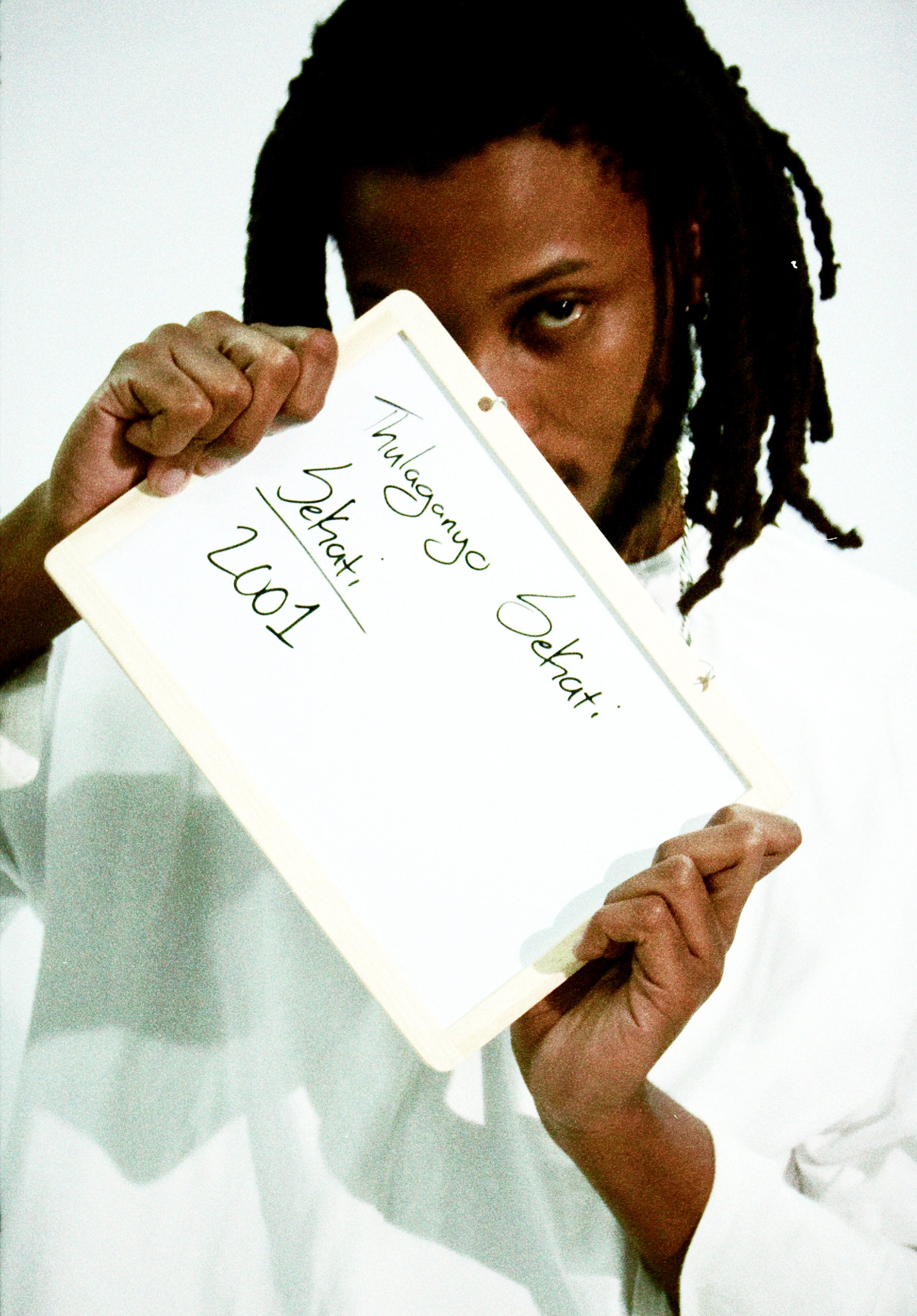
Deeply inspired by symbols of black identity and culture from the 2000s and 2010s, Sekati by Thulaganyo Sekati aims to tell these cultural histories to black communities while simultaneously preserving them for future black generations. Informed by a slow, considered approach grounded in sustainability as well as a formal visual art background that allows him to apply art theory into his design practice, he says “I find that restrictions create space for innovation (I got that from a book)...” Thus, using formal techniques that translate into tailored pieces, Sekati creates “a conversation between my garments and the viewer”. Thus making the clothes stages for conversations about black memory and cultural expression to take place. “I’ve just been listening to Clairo, a lot of Clairo... because I just enjoy the music so much”, says the designer who was put onto the Clairo after she appeared on Ellen Degeneres where she sang “Bags”.
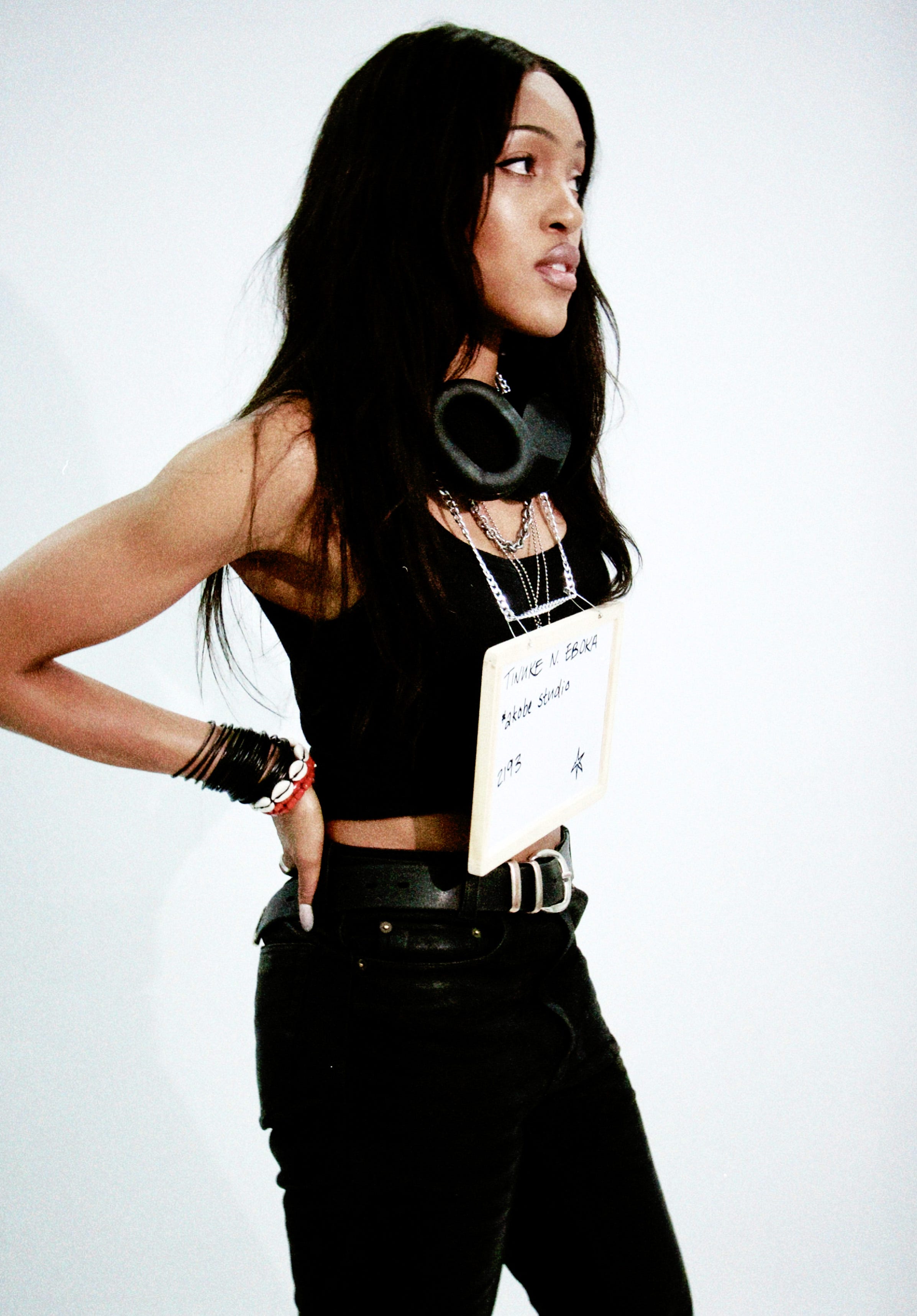
Inspired by the tensions that exist between seemingly opposing ideologies and aspects of her identity, her Nigerian and South African cultures, the feminine glamour and grungy punk aesthetics that she loves, African colonial dress traditions and contemporary decolonial and anti-establishment dress codes–Tinuke Eboka, designer and creative director of Akobe Studio, sits at the intersection of these things. Through a research-based design approach where she juxtaposes the binaries that shape her identity, Eboka creates imaginative worlds that complicate and expand African femininity. Saying that “... to be in West Africa, somewhere in the sticks, somewhere like Suleja, Nigeria–which is kind of the tough side of Lagos, and seeing a kid wearing a bootleg version of Akobe Studio” is her dream, Eboka’s design practice lies not in exclusivity, but in circulation, reinterpretation, and everyday African encounter.
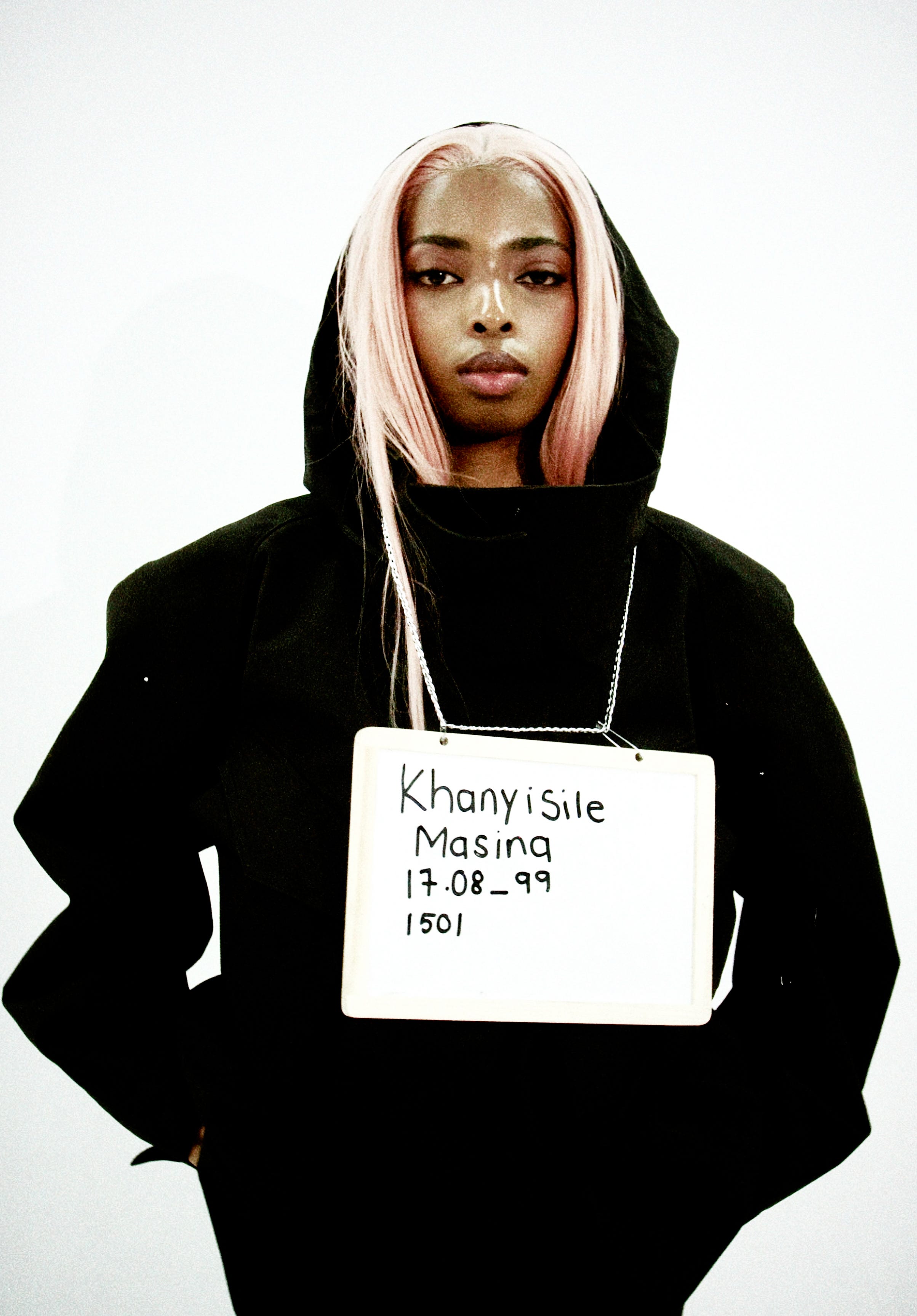
With identity at the centre of her practice, 17.08_99, referring to her birth date, Khanyi Masina is an avant-garde womenswear designer whose work is heavily inspired by her indigenous African spiritual beliefs and practices alongside an intuitive, freeform design methodology centred on draping fabrics into sculptural feminine silhouettes. She says “I make clothes for myself but in my highest form... I make clothes for someone welcoming, and strong and resilient- which is the type of woman that I am.” Her garments operate as extensions of herself, embodying visions of African womanhood in its most expansive and elevated form. Constructed by overlapping different fabrics onto each other, using a mixture of distressed, silken, leathery, light-weight, and coarse textures, as well as by following a freeform design process 17.08_99 is the embodiment of “a diamond in the rough that’s also a soft flower”, says Masina–showing the complexity and multiplicity of African womanhood.
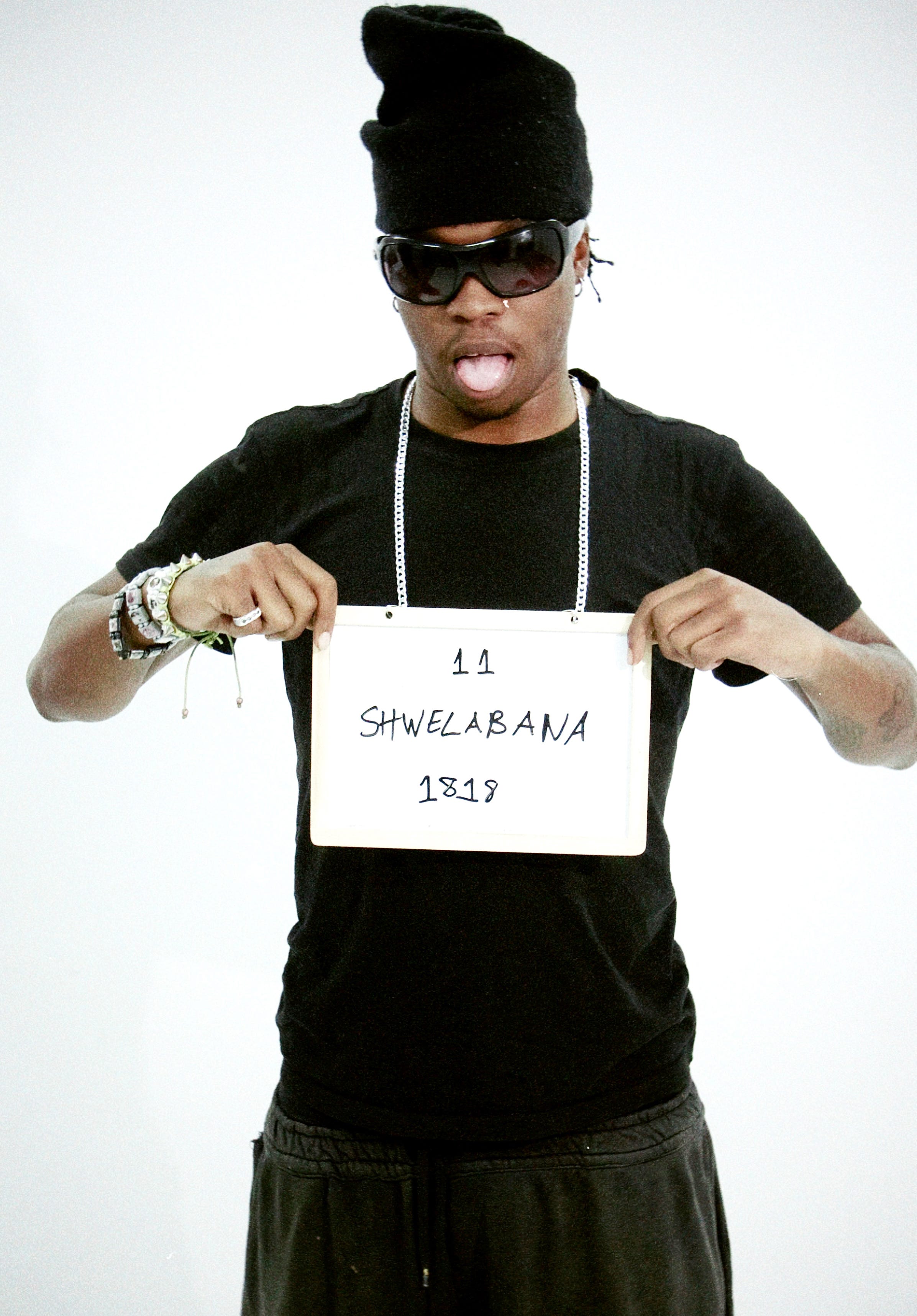
“It’s about showing kids that it’s cool to know and take pride in black South African history, it’s cool to put Solomon Mahlangu on a t-shirt.” explains Double 1. Inspired by South African cultural symbols and histories- from political figures from the 80s and 90s, to the kwaito-infused nostalgia of the 2000s, and the performative spectacle of the 2010s skhotane culture, Shwelabana translates these South African narratives into material form. Double 1, the person behind the brand, uses “telling stories through clothes” as way to teach younger generations about the people at the centre of black South African cultural history. Grounded in accessibility, the brand designs for the communities from where these cultural histories emerge. “I want kids to hear the name ‘Shwelabana’ and think its cool, and to also like how the pieces look so that when they find out what the pieces mean, they realise that there is actually history and stories being told in what I am wearing” says Double 1. Currently listening to his friends–brotherKupa and JayKatana, Double1 would love to see taxi drivers in Johannesburg CBD or children playing in the streets of Soweto wearing his clothes. Shwelebana ultimately shows how fashion is not something removed from everyday life. It is a return to the people who shape, perform, and keep black South African culture alive.
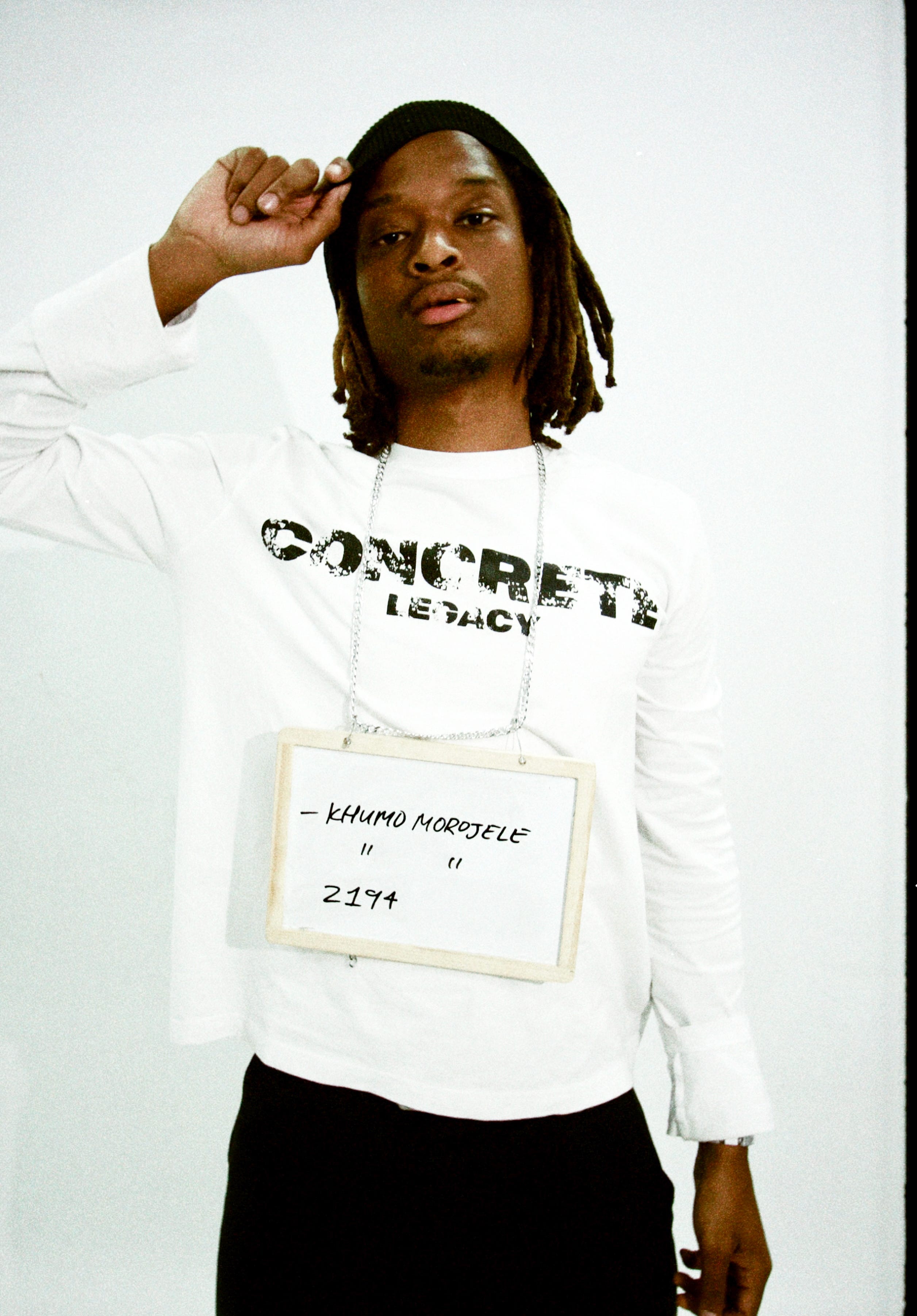
“Khumo Morojele” is the eponymous womenswear brand of Khumo Morojele, a self-taught Johannesburg-based designer whose practice draws on a pop and collage methodology incorporating upcycling, tailoring, weaving, and quilting techniques. Morojele approaches fashion through an experimental lens that the designer tells us he learned when he attended “UYT-The University of YouTube” during his gap year. Through this he has developed a unique design language grounded in processes of deconstruction and reconstruction. The name of the brand, which the designer was initially unsure of, is also an extension of himself. Morojele’s practice seeks to reframe sustainable design practices often linked to African migrant labour such as material reworking as well as reclaiming practices of “zamazamas” or reclaimers from Lesotho. Instead of seeing these as informal or DIY practices, his work positions them as rigorous, skilled and intentional forms of contemporary artistry rooted in dexterity and ingenuity.
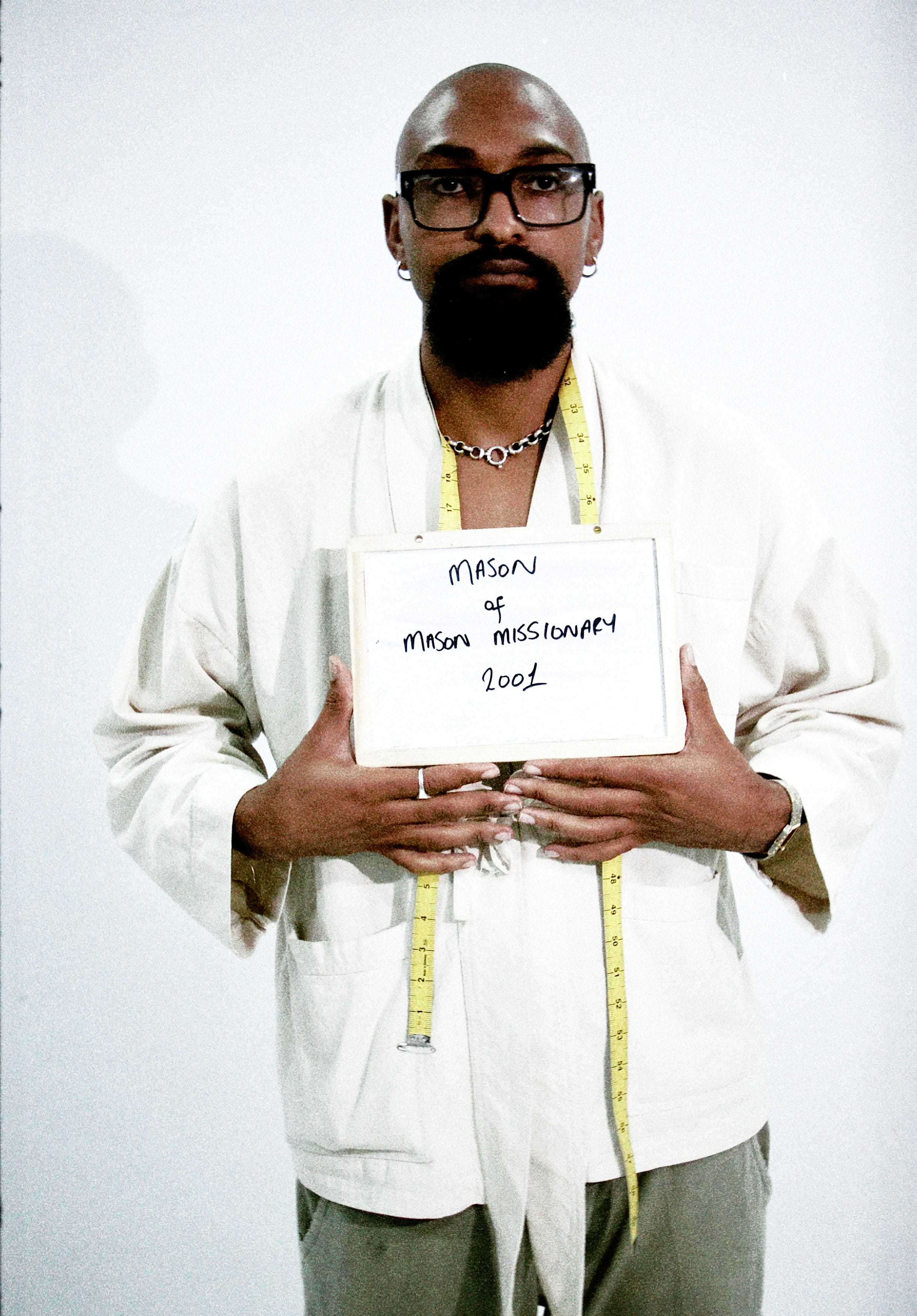
Owen Mason, the designer and production facilitator of Mason Missionary explains that the name of his brand comes from his surname “Mason”, meaning bricklayer or “essentially a builder of ideas, brick by brick” and “Missionary” which is inspired by an admiration of “not the terrible things that missionaries have done but the conviction they had in introducing an idea to the world”. The menswear brand by Mason juxtaposes utilitarian military silhouettes and colour palettes with softer organic Christian textiles such as silk and cotton, thus recontextualising them within a single sartorial language. Focused on luxurious, high quality garments Mason’s practice understands clothing as a reflection of discipline, intention and ethical responsibility to the community. The brand speaks to individuals who perceive themselves as socially accountable and possess quiet ambition and a sense of grounded purpose.
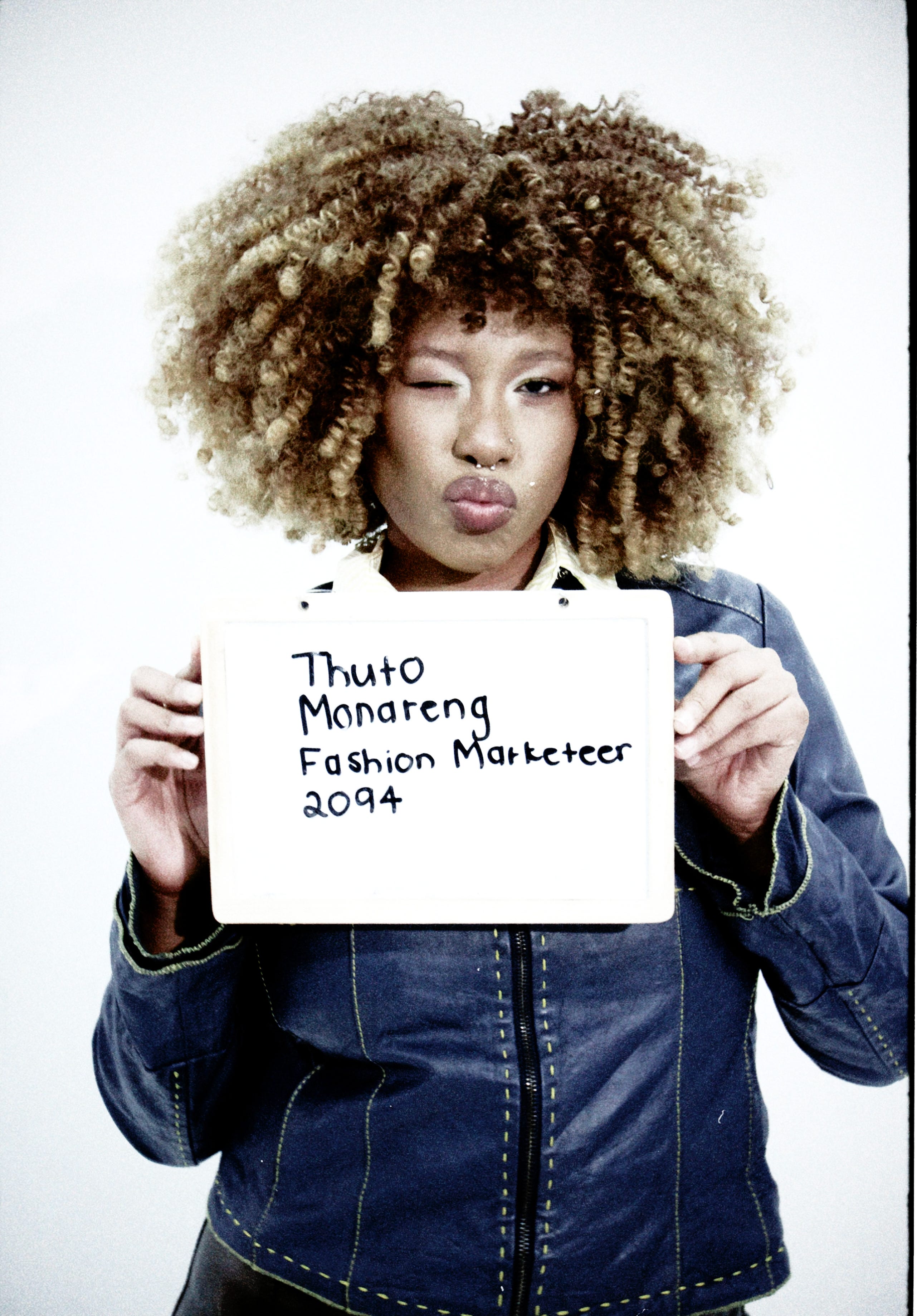
Collectively, the designers participating in “Brown Paper” engage fashion as a site of experimentation, cultural memory and self-articulation. Though distinct in methodology and aesthetics, their design practices are united through a commitment to reimagine marginalised African identities, everyday life, and creative expression beyond rigid institutional boundaries. Through garments that serve as personal archives, political gestures and cultural artefacts, the designers and audiences alike negotiate with fashion as an embodied language through which new imaginaries emerge.
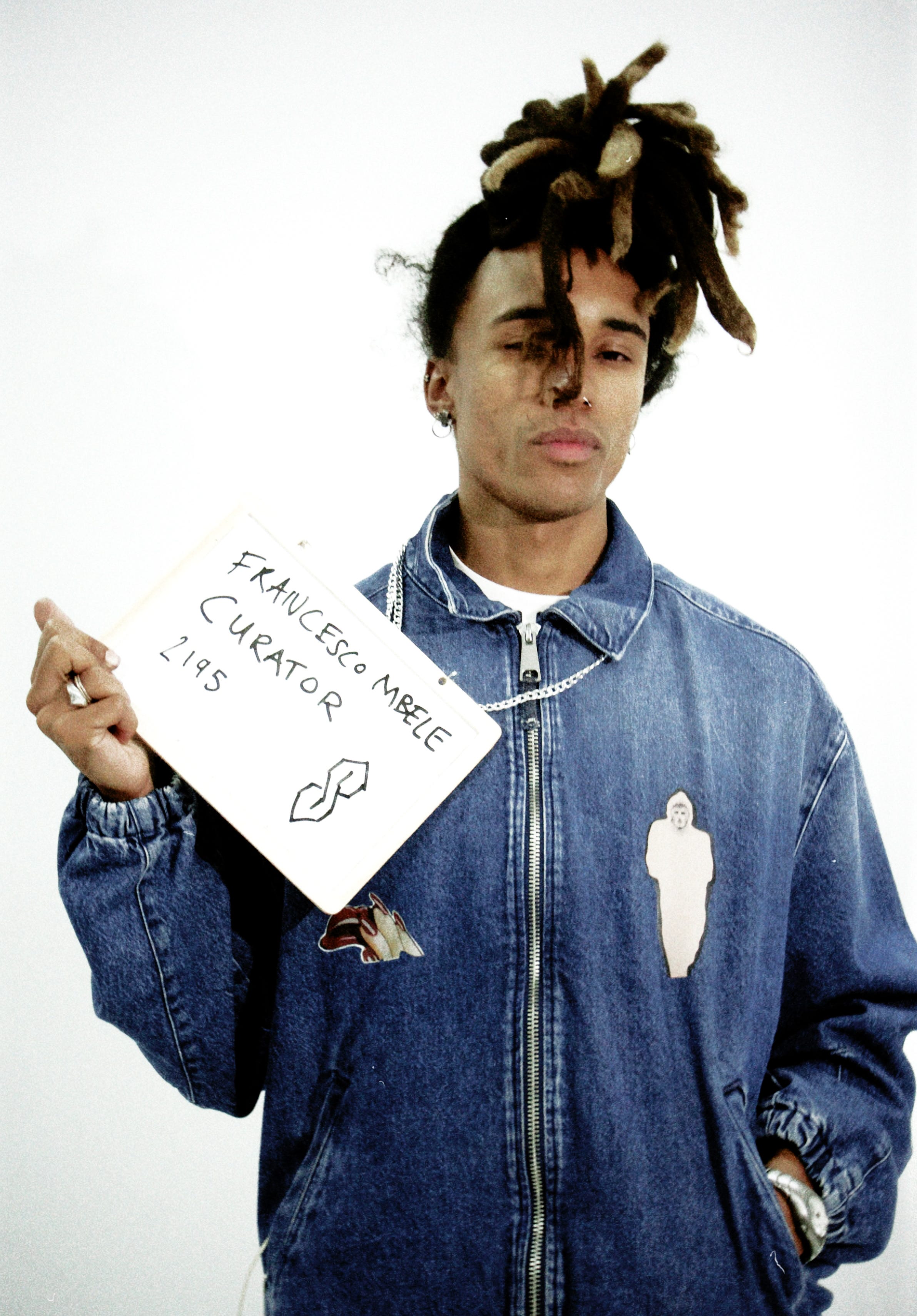
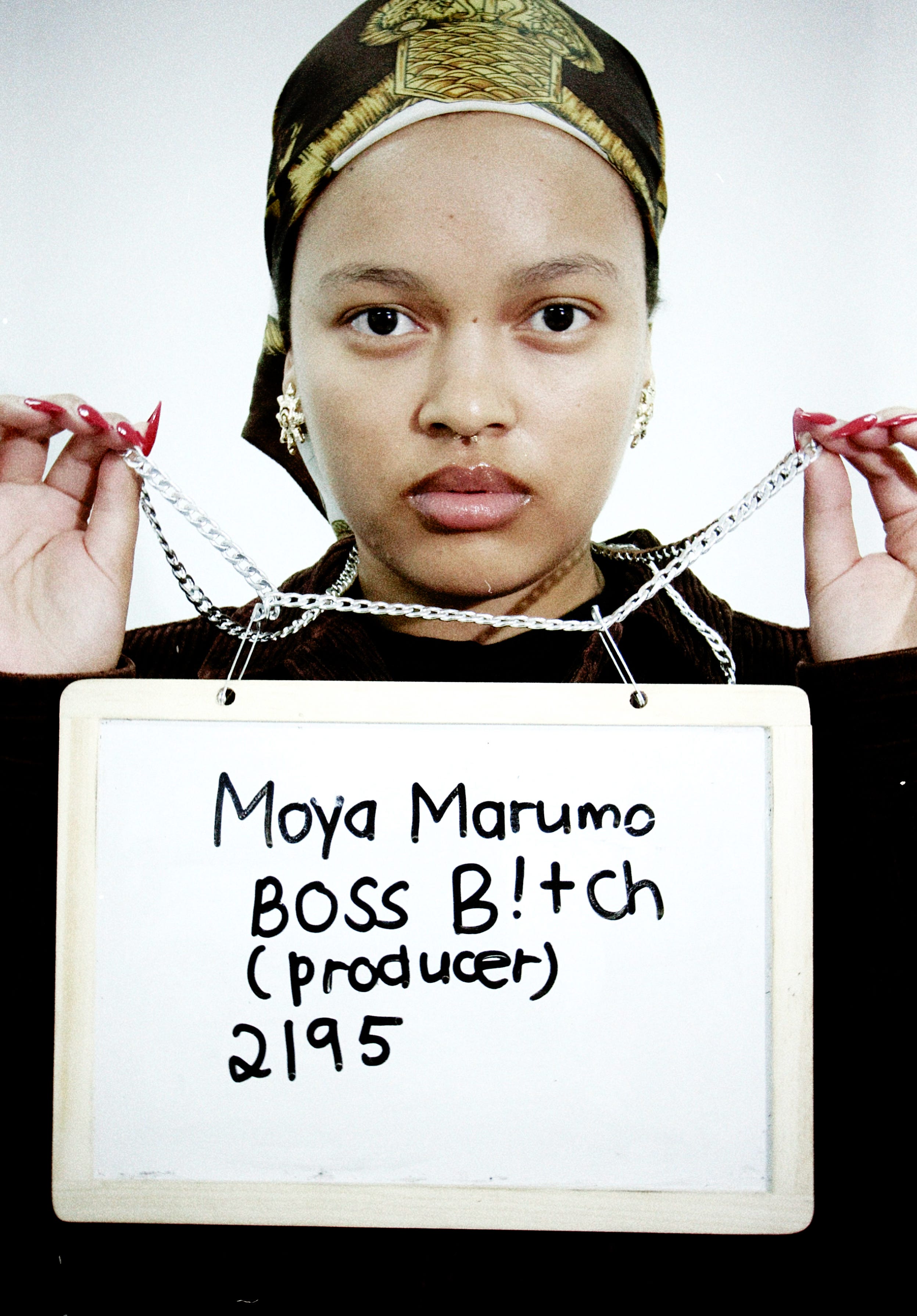
With accessibility, collaboration and subcultural exchange at its centre, “Brown Paper” ultimately conjures a new reality where contemporary South African fashion is intimate, inclusive and deeply embedded within the mundane rhythms of everyday life.
Words by Ifeoma Okobi.