
Front Row with Boytchie
Boytchie joins FRM to unpack the ideas behind RIGHTEOUS ORDERS, why abstraction feels “like jazz”, and what continues to frustrate him most about power, wealth and the people who chase both.

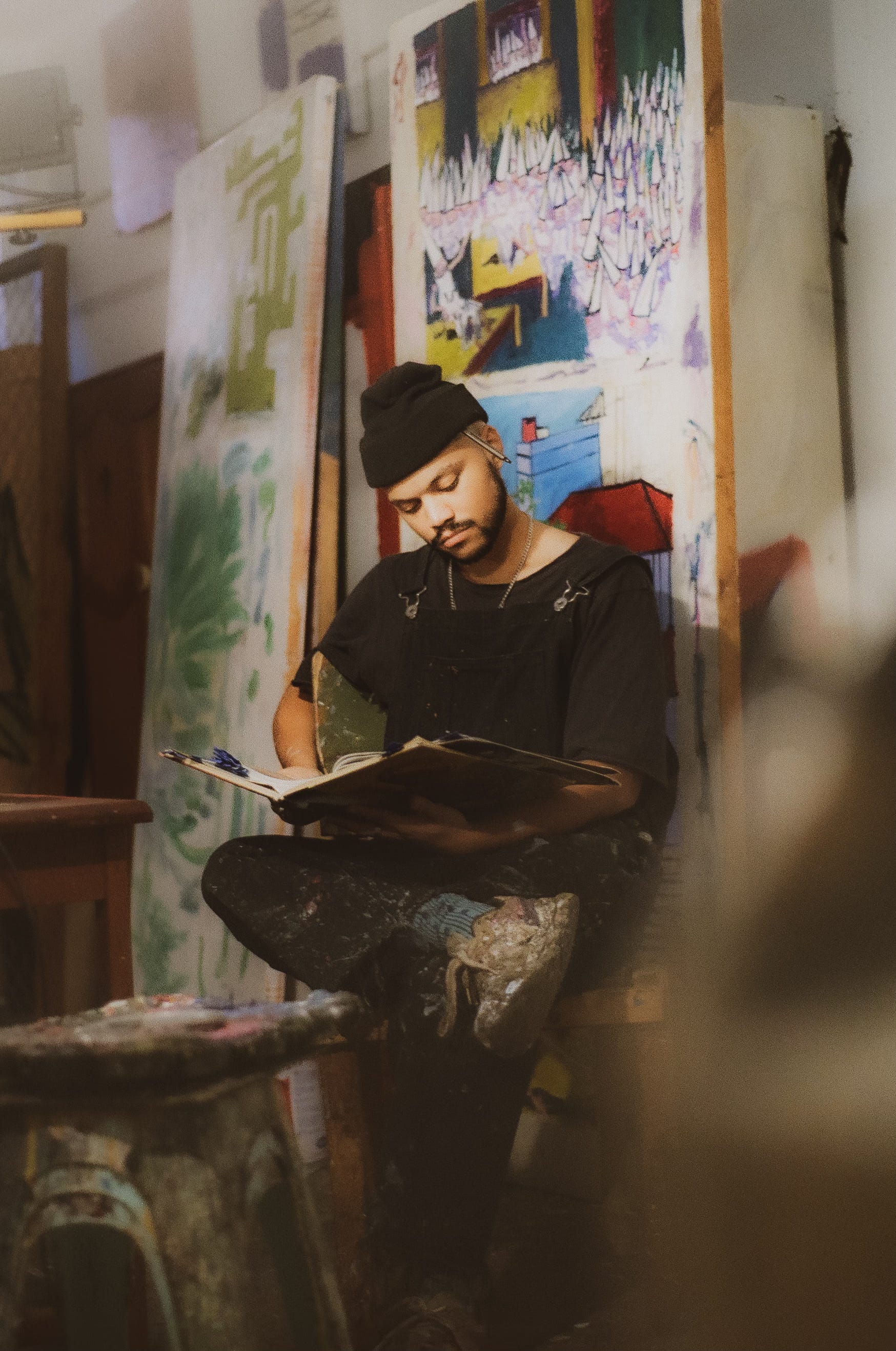
Art doesn’t always offer answers. Sometimes it asks the questions we’re too afraid to sit with.
For Cape Town-based contemporary artist Boytchie, those questions have become the foundation of his latest solo exhibition, RIGHTEOUS ORDERS. Expanding on his ongoing KA$H OUT series, the exhibition wrestles with power, colonialism, greed and the systems that continue to shape our collective reality. Rather than presenting politics as a distant spectacle, Boytchie turns his attention to the uncomfortable contradictions that define everyday life—where violence is justified, morality becomes negotiable and those entrusted with power often serve themselves before anyone else.
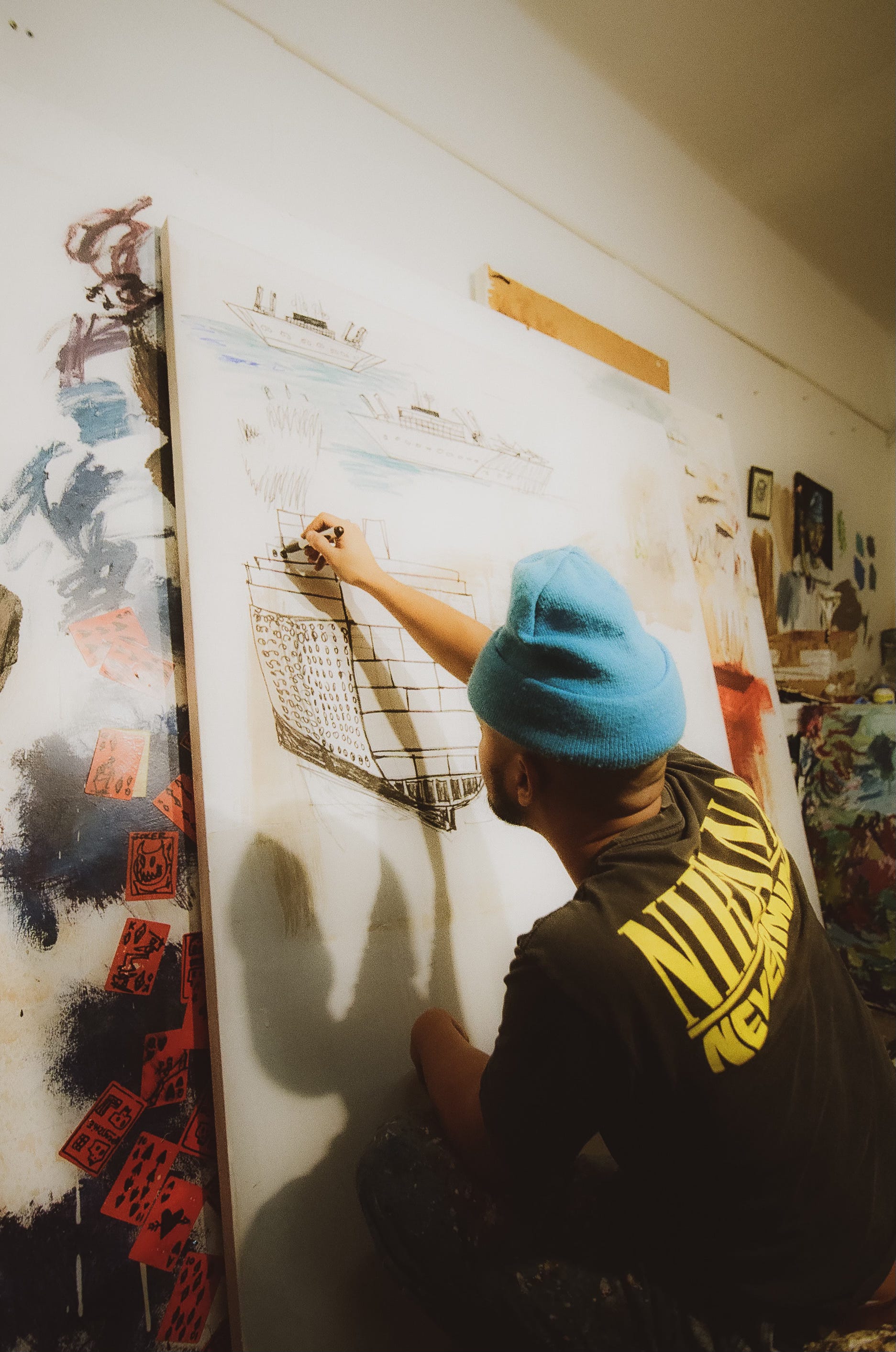
His paintings don’t arrive quietly. Thick gestures, expressive mark-making and fractured figures collide across the canvas with an urgency that feels both deeply personal and unmistakably political. To me personally, while echoes of Neo-Expressionism can be found throughout his practice, Boytchie has forged a visual language that is entirely his own—one that shifts effortlessly between satire, abstraction and social critique without ever becoming didactic.
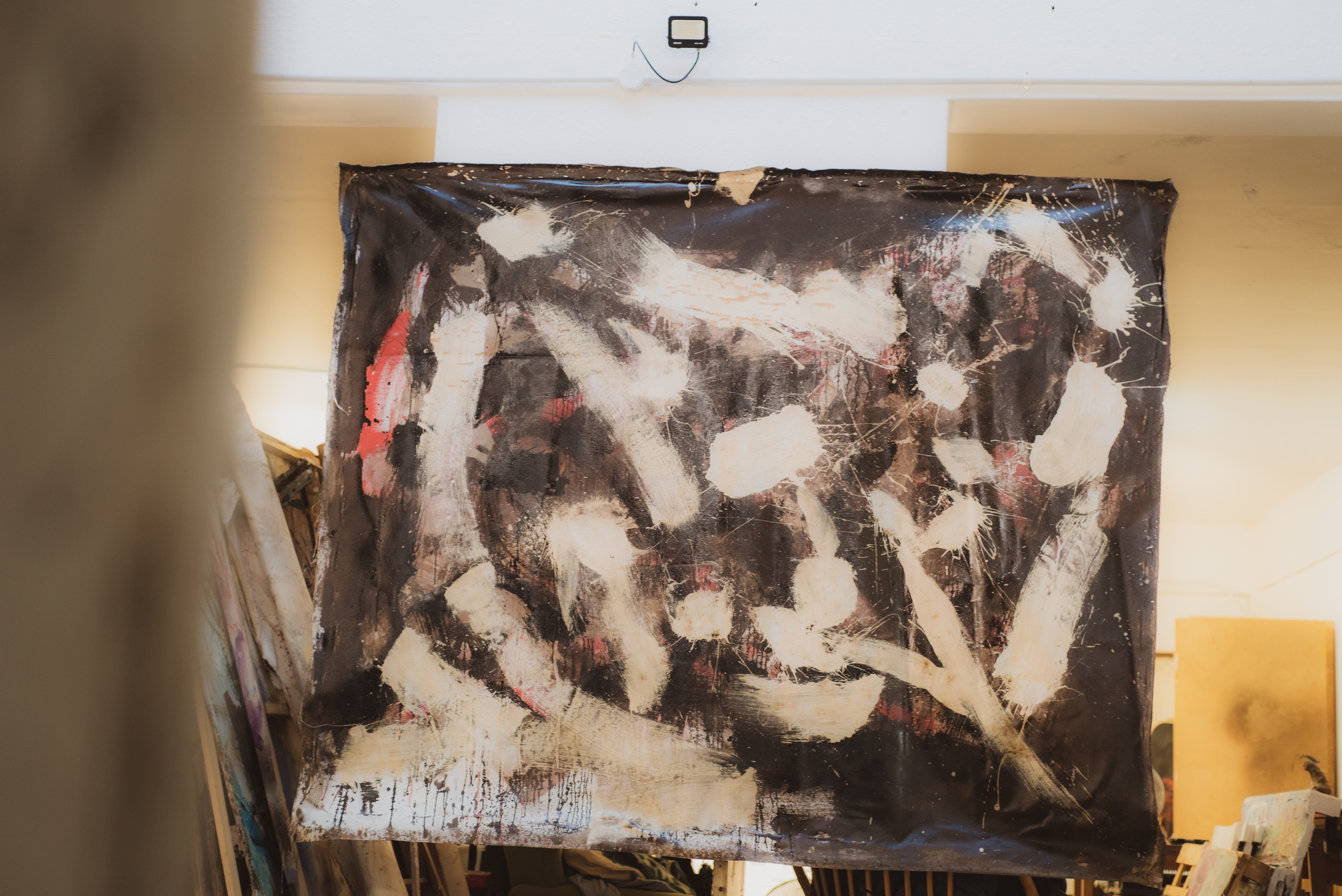
That evolution is especially evident in RIGHTEOUS ORDERS. Moving further into abstraction, the work prioritises feeling over representation, allowing colour, gesture and texture to carry as much meaning as the subjects themselves. It’s a body of work less concerned with providing certainty than creating space for reflection. The questions remain deliberately open-ended, inviting viewers to examine not only the world around them but also the roles they play within it.
Join us in the front row as we catch up with Boytchie to unpack the ideas behind RIGHTEOUS ORDERS, why abstraction feels “like jazz”, and what continues to frustrate him most about power, wealth and the people who chase both.
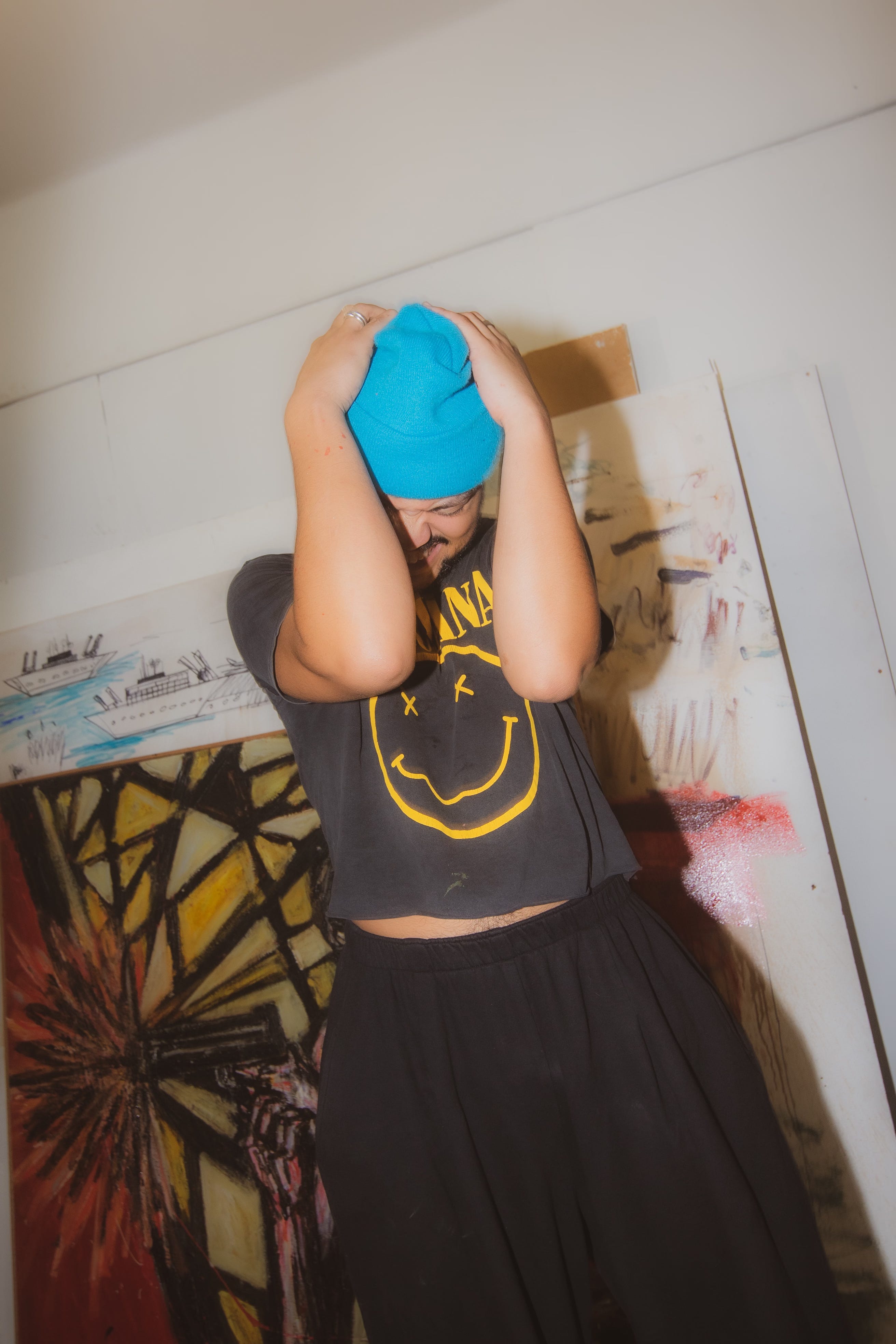
Would you mind introducing yourself to the FRM readers?
Boytchie: AYOO!!! My name is Boytchie. I’m a contemporary artist based in Cape Town. I work across drawing, painting and sculpture.
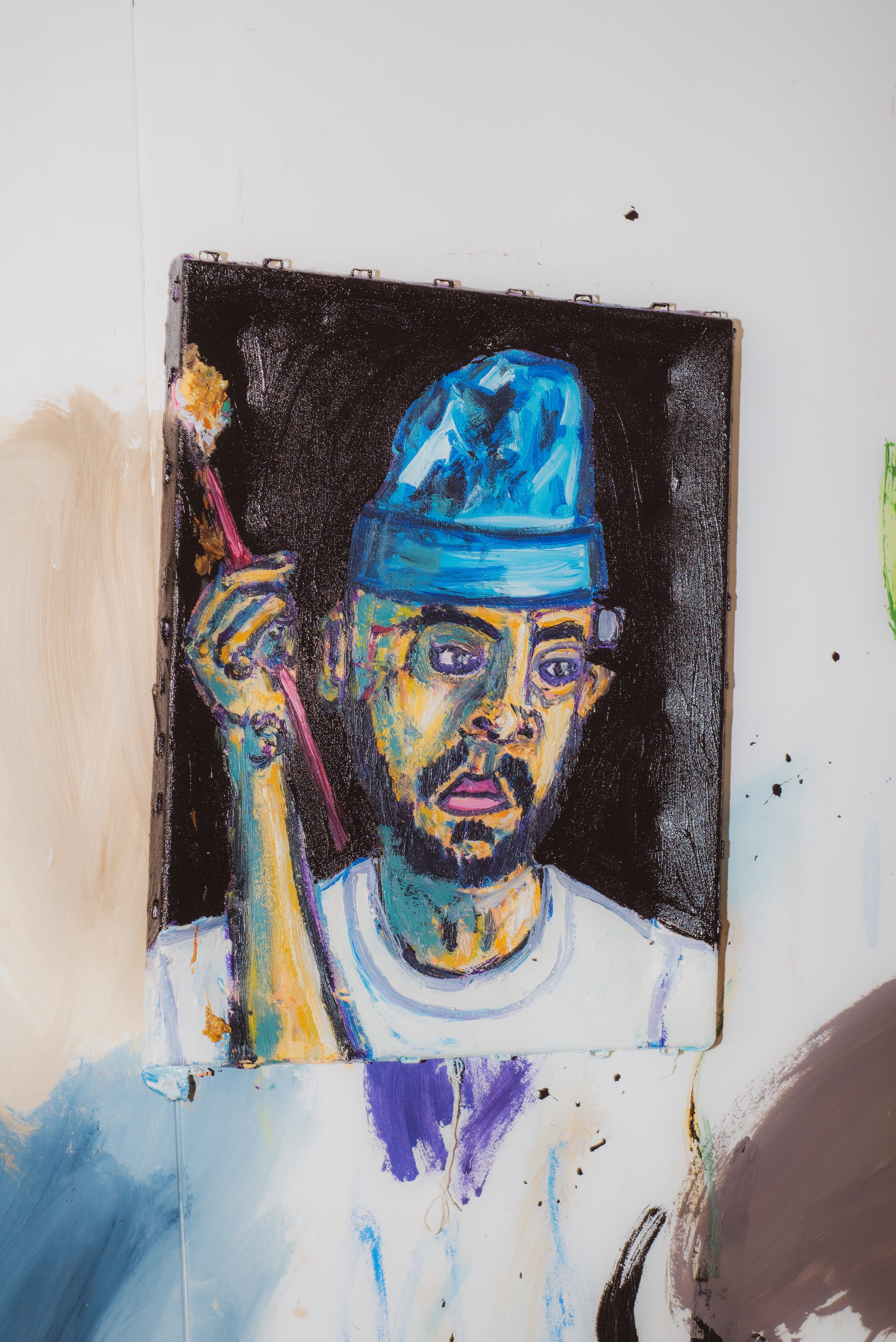
RIGHTEOUS ORDERS asks what “righteous orders” actually are. Do you think people are more afraid of questioning authority, or of discovering that the authority they trusted was never righteous to begin with?
Boytchie: I think the second one. People have so much faith that those in power will bring positive change into society. But actually they are only looking out for themselves and keep redirecting the frustrations and anger of those who have been systemically disadvantaged onto scapegoats.
Your work echoes aspects of Neo-Expressionism—the urgency, loose gestures and layered surfaces—but it also feels distinctly rooted in a South African reality. How do you see your visual language sitting within that lineage, if at all?
Boytchie: I’ve always loved artists from the Neo-Expressionist period. But I wanted to actually digest what they were doing and looking at and not just spit it back at people. The work I produce is full of political satire. I love how it jumps from the personal, to the local, to the collective all at once. It’s not fully reflective of South African politics but is also very much rooted in questioning the status quo of our country and the larger world.
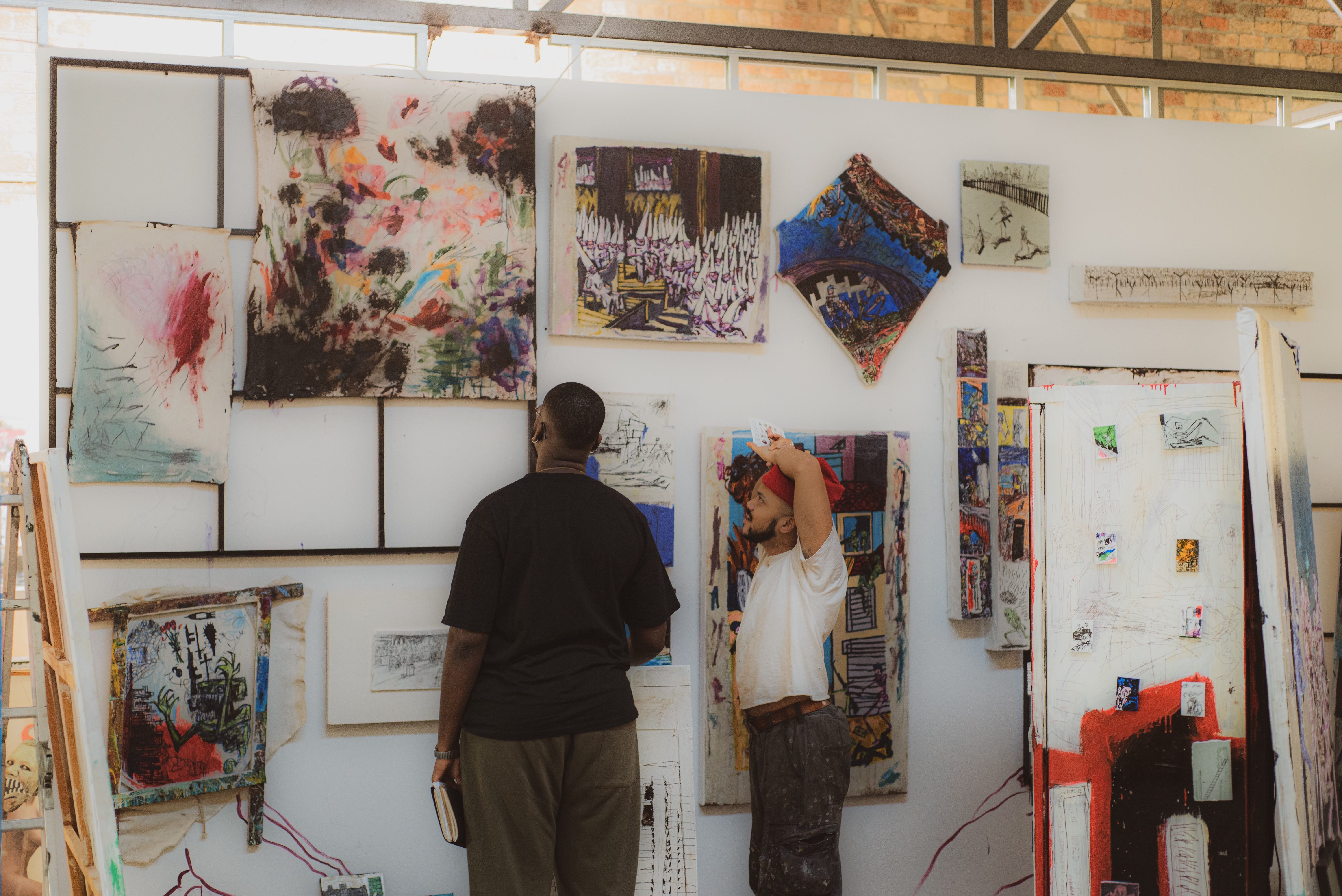
Your work often sits in the uncomfortable space between beauty and brutality. Is making difficult ideas visually seductive a way of drawing people in before confronting them?
Boytchie: Sjoe!! Visually seductive!! I’m honoured hahahah, that means I’m doing something right! I think making work that is difficult to engage with is important. That juxtaposition between the ugly and beautiful is a fun tension to play with. Something can be so visually violent and loud, yet so entrancing. It definitely makes people want to lean in and look closer. And hopefully reflect on the subject matter the work is speaking to.
You describe global superpowers as “unabashedly colonial.” Do you think artists have become more willing to say the quiet part out loud, or has the world simply become impossible to romanticise?
Boytchie: POC artists are definitely becoming increasingly more vocal on their politics and beliefs, whether through their work, platforms or day-to-day experiences. But more so, the world we are responding to cannot be romanticised. There is so much hate, death and destruction that we are confronted with, both first-hand and through media. All the while we need to push through another day to get another dollar to survive life and its hardships. I think art is a way to reflect on the world we live in and make people think about their place in it.
You’ve said this body of work isn’t just about political violence but the idea that violence is somehow necessary. What was the moment that made you start questioning that assumption?
Boytchie: There’s no particular aha moment. I would look to history books and the more recent past, observing how no real change has occurred without everyday people mobilising and toppling political systems that weren’t serving them. That’s a necessary, radically violent act. People in power will clutch their pearls and tenders until they are violently demanded to give it all up.
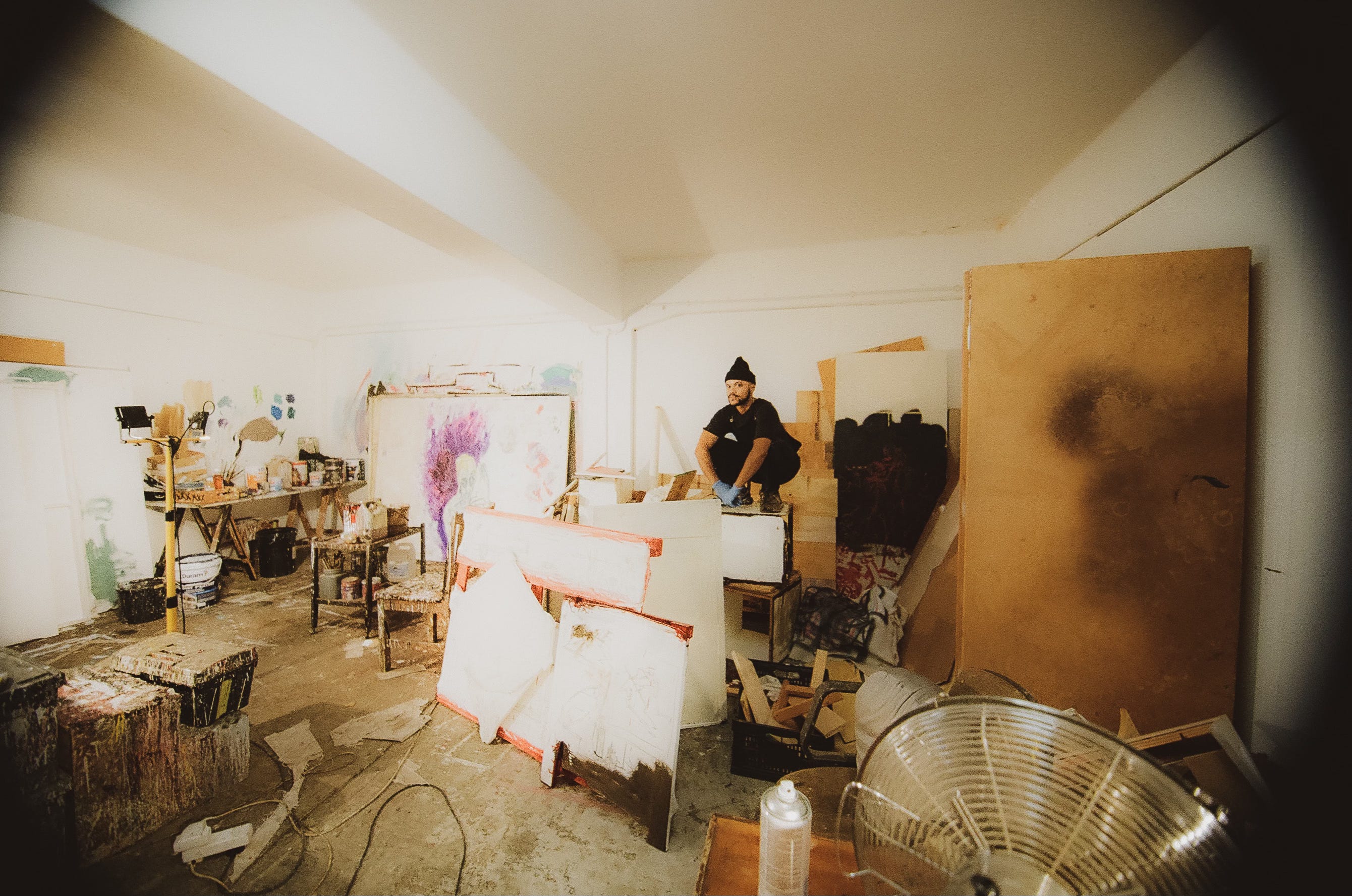
The KA$H OUT series has evolved into its own visual language. Has it started telling you where it wants to go, or are you still the one steering it?
Boytchie: I’m very critical and reflective of things I’ve produced. So naturally the ways I go about producing work for the next show and so on will change and grow. I’ll stare at old paintings I’ve made and think about what I would change or do differently if I had to give that composition another go. And then use that new approach in whatever I make next.
This exhibition leans further into abstraction through colour, mark-making and gesture. What can abstraction communicate that a recognisable image never could?
Boytchie: To me, abstraction is like jazz. There are fewer concerns about representation and more concern with capturing a feeling in a bottle.
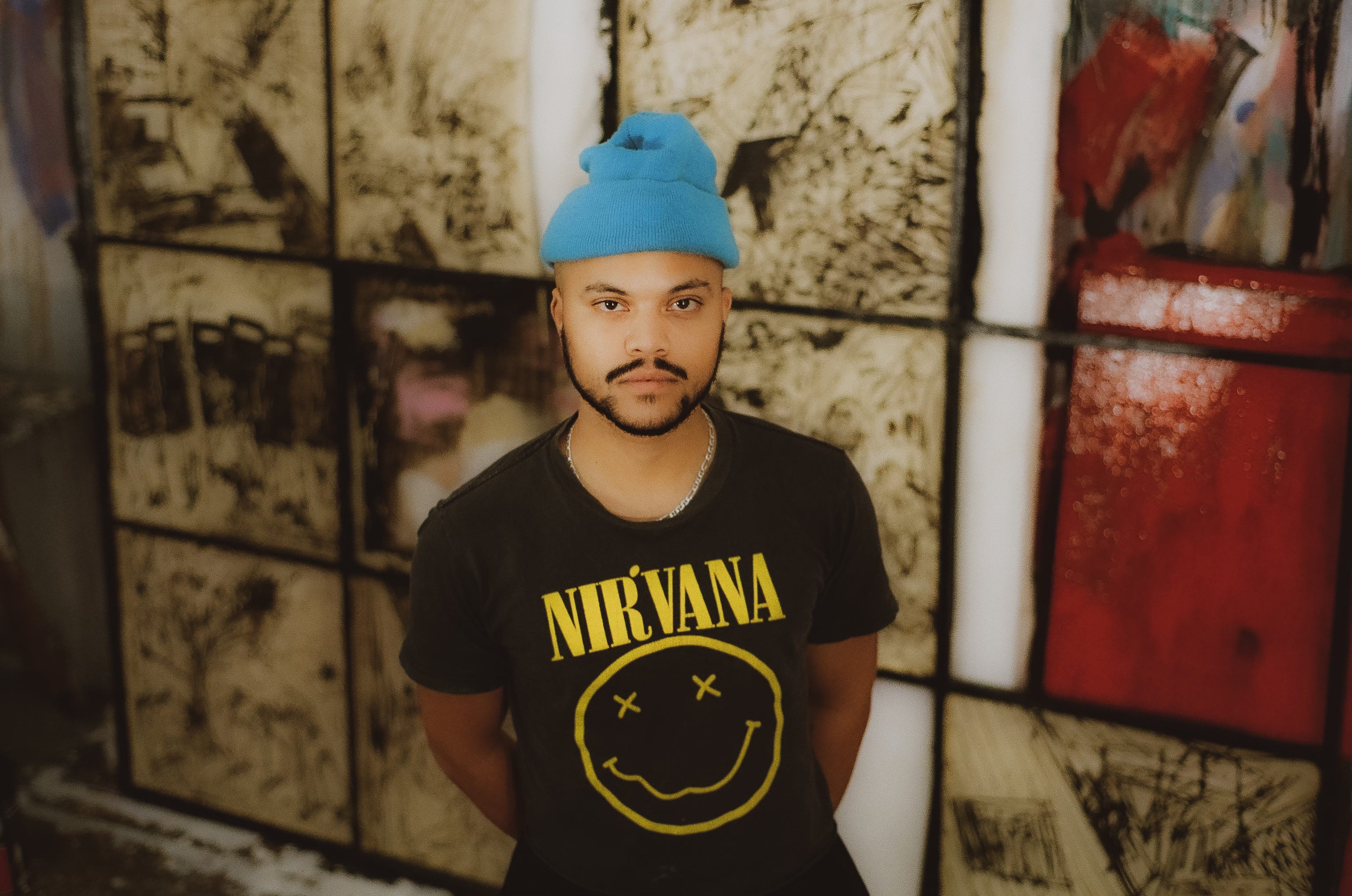
Your paintings rarely tell people what to think—they leave room for interpretation. Do you ever worry that viewers might miss the point, or is that uncertainty part of the work itself?
Boytchie: With me testing and trying new forms there is a likelihood people won’t get it. As long as people walk away thinking, “What the fuck did I just spend time looking at?” I’ll be happy.
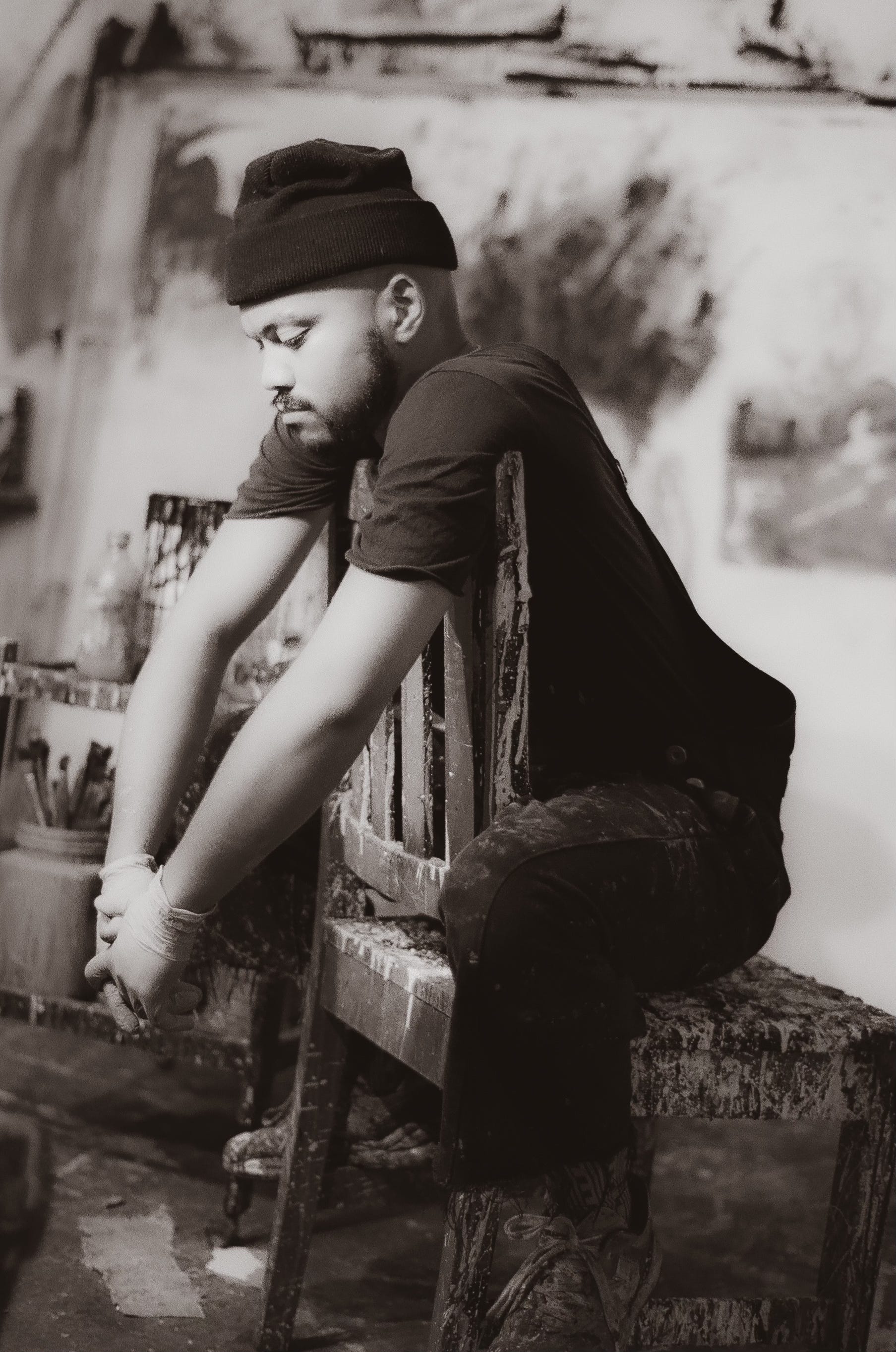
Power, greed and morality are recurring threads in your practice. After spending so much time painting these systems, what have you learned about human nature that surprised you the most?
Boytchie: That people will chase power and wealth, and in the process lose their humanity. It makes sense for old colonial powers because they were moving in their old racist and colonial ways. But to see people of colour move in the same way when given positions of power and authority?!! That will never not piss me off.
When RIGHTEOUS ORDERS closes and people leave the gallery, what’s the one question you hope follows them home?
Boytchie: How do we bring positive change to our world when those in power keep setting us back again and again?